Blog

Metoprolol is a widely prescribed beta-blocker used to manage high blood pressure, chest pain (angina), and heart failure, or to protect the heart after a myocardial infarction. By blocking the effects of adrenaline on the heart and blood vessels, it successfully lowers heart rate and blood pressure. However, because beta-receptors are found throughout the body—not just in the heart—metoprolol can cause systemic effects that patients are rarely warned about during a standard pharmacy visit. Here are **10 side effects of metoprolol that are often overlooked** in everyday clinical conversations: — ### 1. Persistent Fatigue and Lack of “Gas in the Tank” * **What happens:** Because metoprolol intentionally slows your heart rate and reduces the force of heart contractions, your body pumps slightly less oxygenated blood to your tissues during exertion. This often translates to a heavy, persistent physical exhaustion or a feeling of low stamina, especially during the first few weeks. ### 2. Cold Hands and Feet (Peripheral Vasoconstriction) * **What happens:** Beta-blockers can narrow blood vessels in the extremities as the body redirects blood flow toward core organs. Many patients notice their fingers and toes feeling perpetually ice-cold, or even turning pale in cooler temperatures. ### 3. Vivid Dreams or Sleep Disturbances * **What happens:** Metoprolol is lipophilic (fat-soluble to varying degrees, particularly metoprolol tartrate), meaning it can cross the blood-brain barrier. This interaction within the central nervous system frequently alters sleep architecture, leading to unusually vivid dreams, nightmares, or disrupted REM sleep. ### 4. Masking Symptoms of Low Blood Sugar (Hypoglycemia) * **What happens:** For individuals managing diabetes, this is a critical overlooked risk. Adrenaline is what triggers the classic warning signs of a crashing blood sugar level—such as a racing heart, tremors, and severe jitters. Because metoprolol blunts adrenaline, it can completely “mask” these warning signs, allowing hypoglycemia to sneak up unnoticed. ### 5. Subtle Depressive Mood Shifts or Brain Fog * **What happens:** Some patients report feeling emotionally flat, unmotivated, or experiencing mild cognitive dulling (brain fog). Because beta-blockers affect central nervous system signaling, they can occasionally contribute to depressive symptoms or low mood over long-term use. ### 6. Sexual Dysfunction or Decreased Libido * **What happens:** By lowering blood pressure and altering autonomic nervous system tone, metoprolol can interfere with erectile function in men or reduce sexual responsiveness and desire in both men and women—a side effect patients are often too hesitant to bring up with their doctor. ### 7. Mild Weight Gain or Slowed Metabolism * **What happens:** Because the drug reduces your resting heart rate and overall energy expenditure, it can subtly shift your metabolic rate downward. Combined with fatigue that lowers exercise motivation, many patients experience gradual, unexplained weight creep. ### 8. Exacerbation of Asthma or Shortness of Breath * **What happens:** While metoprolol is relatively “cardioselective” (meaning it targets heart receptors more than lung receptors), at higher doses it can still spill over and cause constriction of the airways. For anyone with underlying asthma or chronic bronchitis, it can trigger wheezing or shortness of breath. ### 9. Hair Thinning or Alopecia * **What happens:** Though relatively rare, beta-blockers can occasionally disrupt the normal hair growth cycle, pushing hair follicles prematurely into the resting (telogen) phase and causing noticeable thinning several months after starting the medication. ### 10. Rebound Hypertensive Crisis If Stopped Abruptly * **What happens:** This is the most dangerous overlooked aspect of beta-blockers. If you stop taking metoprolol suddenly, your body—which has adapted by multiplying its beta-receptors—is suddenly flooded with unblocked adrenaline. This can trigger a dangerous spike in blood pressure, a racing heart, or even a heart attack. **Metoprolol must always be tapered slowly under medical supervision.** — Are you or a loved one currently taking metoprolol and noticing any of these subtle shifts, or are you exploring how beta-blockers compare to other cardiovascular medications?
Metoprolol is a widely prescribed beta-blocker used to manage high blood pressure, chest pain (angina), and heart failure, or to protect the heart after a myocardial infarction. By blocking the effects of adrenaline on the heart and blood vessels, it successfully lowers heart rate and blood pressure.
However, because beta-receptors are found throughout the body—not just in the heart—metoprolol can cause systemic effects that patients are rarely warned about during a standard pharmacy visit.
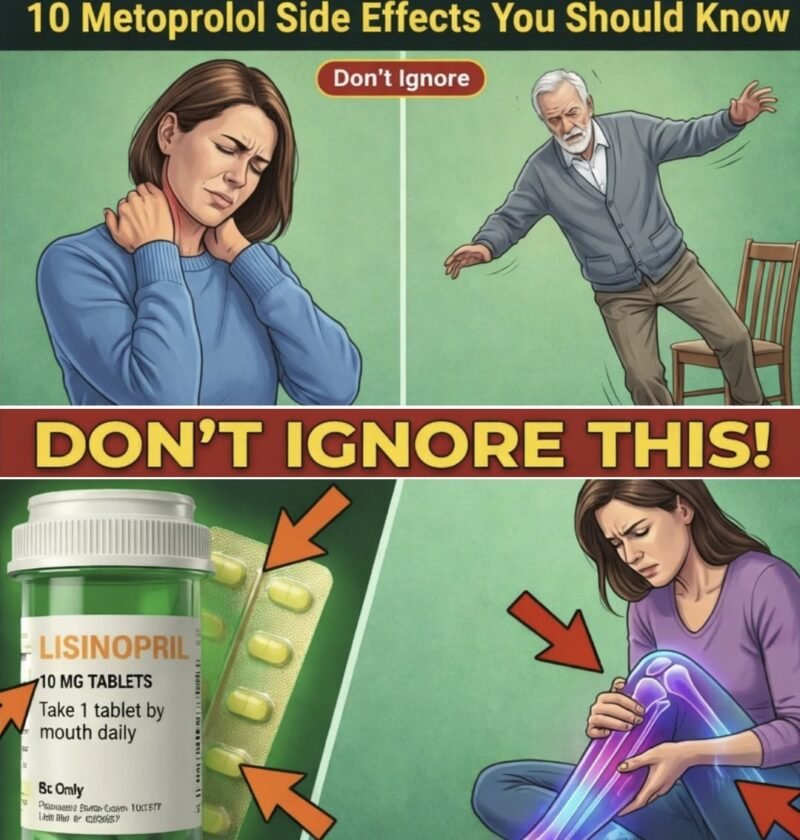
Here are 10 side effects of metoprolol that are often overlooked in everyday clinical conversations:

1. Persistent Fatigue and Lack of “Gas in the Tank”

  • What happens: Because metoprolol intentionally slows your heart rate and reduces the force of heart contractions, your body pumps slightly less oxygenated blood to your tissues during exertion. This often translates to a heavy, persistent physical exhaustion or a feeling of low stamina, especially during the first few weeks.

2. Cold Hands and Feet (Peripheral Vasoconstriction)

  • What happens: Beta-blockers can narrow blood vessels in the extremities as the body redirects blood flow toward core organs. Many patients notice their fingers and toes feeling perpetually ice-cold, or even turning pale in cooler temperatures.

3. Vivid Dreams or Sleep Disturbances

  • What happens: Metoprolol is lipophilic (fat-soluble to varying degrees, particularly metoprolol tartrate), meaning it can cross the blood-brain barrier. This interaction within the central nervous system frequently alters sleep architecture, leading to unusually vivid dreams, nightmares, or disrupted REM sleep.

4. Masking Symptoms of Low Blood Sugar (Hypoglycemia)

  • What happens: For individuals managing diabetes, this is a critical overlooked risk. Adrenaline is what triggers the classic warning signs of a crashing blood sugar level—such as a racing heart, tremors, and severe jitters. Because metoprolol blunts adrenaline, it can completely “mask” these warning signs, allowing hypoglycemia to sneak up unnoticed.

5. Subtle Depressive Mood Shifts or Brain Fog

  • What happens: Some patients report feeling emotionally flat, unmotivated, or experiencing mild cognitive dulling (brain fog). Because beta-blockers affect central nervous system signaling, they can occasionally contribute to depressive symptoms or low mood over long-term use.

6. Sexual Dysfunction or Decreased Libido

  • What happens: By lowering blood pressure and altering autonomic nervous system tone, metoprolol can interfere with erectile function in men or reduce sexual responsiveness and desire in both men and women—a side effect patients are often too hesitant to bring up with their doctor.

7. Mild Weight Gain or Slowed Metabolism

  • What happens: Because the drug reduces your resting heart rate and overall energy expenditure, it can subtly shift your metabolic rate downward. Combined with fatigue that lowers exercise motivation, many patients experience gradual, unexplained weight creep.

8. Exacerbation of Asthma or Shortness of Breath

  • What happens: While metoprolol is relatively “cardioselective” (meaning it targets heart receptors more than lung receptors), at higher doses it can still spill over and cause constriction of the airways. For anyone with underlying asthma or chronic bronchitis, it can trigger wheezing or shortness of breath.

9. Hair Thinning or Alopecia

  • What happens: Though relatively rare, beta-blockers can occasionally disrupt the normal hair growth cycle, pushing hair follicles prematurely into the resting (telogen) phase and causing noticeable thinning several months after starting the medication.

10. Rebound Hypertensive Crisis If Stopped Abruptly

  • What happens: This is the most dangerous overlooked aspect of beta-blockers. If you stop taking metoprolol suddenly, your body—which has adapted by multiplying its beta-receptors—is suddenly flooded with unblocked adrenaline. This can trigger a dangerous spike in blood pressure, a racing heart, or even a heart attack. Metoprolol must always be tapered slowly under medical supervision.
Are you or a loved one currently taking metoprolol and noticing any of these subtle shifts, or are you exploring how beta-blockers compare to other cardiovascular medications?

Leave a Reply

Your email address will not be published. Required fields are marked *