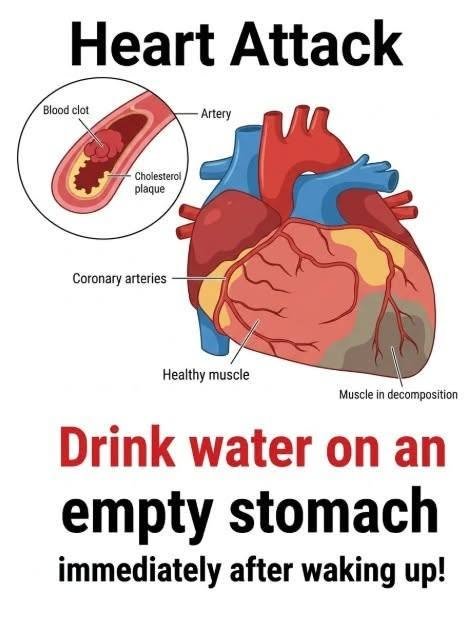
Sensationalized medical headlines warning that “a cardiologist warns these medications increase heart attack and stroke risk” are designed to cause panic. They often rely on broad generalizations, tearing medication warnings out of context to make everyday drugs sound like hidden time bombs.
In clinical practice, cardiovascular risk doesn’t come from a standard prescription itself, but rather from how drugs interact with aging organ systems, pre-existing conditions, or sudden, unsupervised dosage changes.
When geriatric cardiologists and pharmacologists look closely at medications that require extra caution in older adults, they focus on specific classes known to strain the cardiovascular or renal systems under certain conditions.
Medications and Drug Classes That Require Heightened Caution in Older Adults
Rather than being “cardiac triggers” for everyone, certain drug classes carry documented risks for older populations, particularly when combined with other health issues:
1. Non-Steroidal Anti-Inflammatory Drugs (NSAIDs)
-
Examples: Ibuprofen, Naproxen, Celecoxib.
-
Why cardiologists watch them: Regular or high-dose NSAID use can cause fluid retention, raise blood pressure, and reduce kidney function. In older adults—especially those with underlying hypertension or heart failure—this added strain can significantly elevate cardiovascular risk.
2. Certain Decongestants (Sympathomimetics)
-
Examples: Pseudoephedrine, Phenylephrine.
-
Why cardiologists watch them: Common over-the-counter cold and sinus medications work by constricting blood vessels to relieve congestion. However, this same vasoconstriction can sharply spike blood pressure and heart rate, posing a risk for individuals with hypertension or coronary artery disease.
3. Certain Antipsychotics or High-Dose Sedatives
-
Why cardiologists watch them: Certain psychotropic medications used in specialized care can affect cardiac electrical conduction (such as prolonging the QT interval) or cause sudden drops in blood pressure upon standing, increasing fall and cardiac stress risks in vulnerable patients.
4. Certain Corticosteroids (Long-Term Use)
-
Examples: Prednisone, Dexamethasone.
-
Why cardiologists watch them: While lifesaving for acute inflammation, long-term systemic steroid use can elevate blood sugar, promote weight gain, increase blood pressure, and alter lipid profiles over time, compounding cardiovascular strain.
5. Abruptly Discontinued Cardiac Medications (The Biggest Risk)
-
Why cardiologists watch them: Ironically, one of the most dangerous cardiovascular events happens not from taking a drug, but from stopping a vital medication abruptly (such as stopping beta-blockers like Metoprolol or blood pressure medications cold turkey). This triggers a dangerous rebound spike in heart rate and blood pressure that can precipitate a heart attack.
The Bottom Line
No medication is entirely without risk, but prescription safety is all about personalized medical management. Cardiologists weigh the benefits of protecting your heart against potential side effects based on your complete medical history, kidney function, and other drugs you may be taking.
Never stop or change your medications based on internet warnings. If you have concerns about a drug’s long-term cardiovascular safety, always review your complete medication list with your doctor or pharmacist.
Are you or a loved one currently reviewing a list of medications, or looking into heart-healthy management strategies?