Sensationalist listicles and clickbait headlines love to target aging with shame and anxiety, using provocative titles like “12 nasty things you do in old age that everyone notices, but no one dares to tell you” to drive clicks through sheer social insecurity.
These articles usually weaponize normal physiological aging—such as shifts in metabolism, sensory changes, or mobility adjustments—and frame them as embarrassing personal failings.
When you strip away the judgment and look at the actual science of aging, what society labels as “nasty” or awkward habits are usually natural biological transitions or adaptations to physical changes.
Reframing the “Taboos” of Aging
Instead of viewing aging through a lens of secret judgment, it helps to understand what is actually happening in the body and how to approach these common shifts with grace and practical care:
1. Sensory Adaptation (Hearing Loss and Speaking Volume)
-
The Clickbait Spin: “Talking too loudly or ignoring people.”
-
The Reality: Age-related hearing loss (presbycusis) happens gradually, often starting with higher-frequency sounds. When people can’t hear background noise or their own voice clearly, they naturally raise their speaking volume or miss conversational cues. Regular hearing check-ups and hearing aids completely change this dynamic.
2. Olfactory Shifts (Changes in Body Odor or Scent Awareness)
-
The Clickbait Spin: “Not realizing you smell bad.”
-
The Reality: As we age, our sense of smell (olfaction) naturally declines, meaning older adults may not notice subtle changes in their own body odor or home environment as acutely as younger people do. Furthermore, skin chemistry changes over time (producing a natural compound called 2-nonenal). Simple adjustments in laundry habits, hydration, and skincare easily manage this.
3. Posture and Gait Changes
-
The Clickbait Spin: “Shuffling or slouching awkwardly.”
-
The Reality: Spinal changes, loss of core and leg muscle strength (sarcopenia), and stiffening joints naturally alter how people walk and stand. This isn’t a lack of manners or effort; it is a mechanical adaptation to maintaining balance. Targeted strength exercises and physical therapy can preserve upright posture and steady walking.
4. Dietary and Digestion Adjustments
-
The Clickbait Spin: “Obsessing over bathroom habits or food quirks.”
-
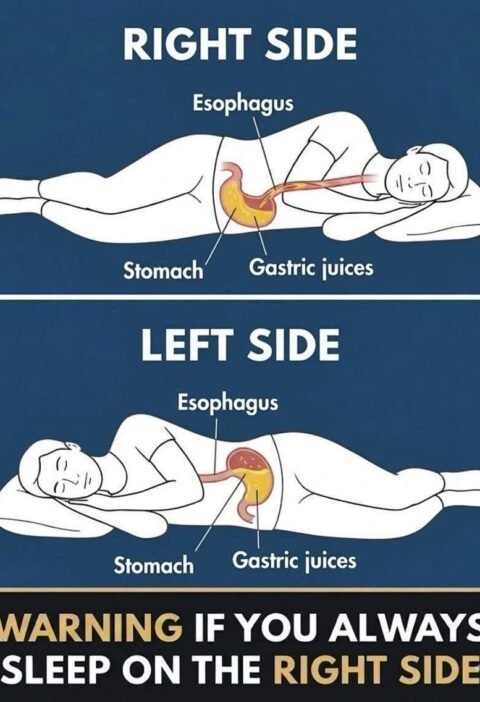
The Reality: Changes in gut motility, dental health, or swallowing mechanics can make eating certain foods uncomfortable. Older adults often adapt their diets to avoid acid reflux, constipation, or indigestion, which outsiders might misunderstand as rigid or unusual behavior.
5. Medication Side Effects and Dry Mouth
-
The Clickbait Spin: “Mumbling or having dry lips.”
-
The Reality: Many common medications for blood pressure, cholesterol, or pain list dry mouth (xerostomia) as a side effect. Reduced saliva production can affect speech clarity, swallowing, and dental health, but it is easily managed with hydration and dentist-recommended rinses.
The Bottom Line
Getting older comes with profound physical, sensory, and metabolic transitions. Framing these normal biological realities as “nasty social sins” does nothing except breed unnecessary anxiety. Approaching aging with empathy, proactive health management, and open communication ensures dignity and well-being at every stage of life.
Are you or a loved one navigating any particular physical changes or health adjustments as the years progress?