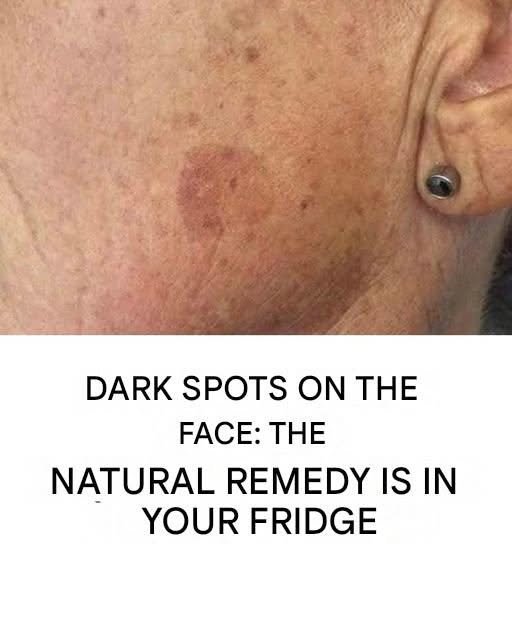
That viral headline—*”Add it to your cream and blemishes on your face will be a distant memory”*—is a classic beauty myth and clickbait hook. It usually promises a magical DIY fix (like adding lemon juice, baking soda, toothpaste, or harsh essential oils straight into your daily moisturizer) to erase acne, dark spots, or scars overnight.
In reality, mixing unverified kitchen ingredients into your skincare products is a recipe for irritation, barrier damage, and worsening breakouts.
—
### Why DIY “Cream Add-Ins” Often Backfire
* **Lemon Juice:** Frequently recommended online for brightening dark spots, lemon juice is highly acidic and contains compounds called *furocoumarins*. When applied to the skin and exposed to sunlight, it causes a severe chemical reaction known as phytophotodermatitis, leading to painful blistering, chemical burns, and even darker pigmentation.
* **Baking Soda:** Because baking soda is intensely alkaline, it completely disrupts your skin’s natural protective acid mantle. This strips away essential moisture, alters your skin microbiome, and leaves you vulnerable to increased acne and irritation.
* **Toothpaste:** Often touted as a quick spot-treatment to dry out pimples, toothpaste contains harsh detergents, menthol, baking soda, and fluoride that frequently cause contact dermatitis, redness, and peeling rather than a clean heal.
* **Unregulated Essential Oils:** Adding pure, undiluted essential oils (like tea tree or oregano oil) directly into a tub of cream without proper dilution or patch testing can trigger allergic contact dermatitis and chemical irritation.
—
### What Actually Works for Blemishes and Spots
Real skincare science relies on targeted, clinically tested ingredients rather than random mix-ins:
1. **For Active Acne:** Look for over-the-counter ingredients like **salicylic acid** (which penetrates oil-filled pores to clear out blockages) or **benzoyl peroxide** (which targets acne-causing bacteria).
2. **For Dark Spots and Post-Blemish Marks:** Ingredients like **vitamin C, niacinamide, alpha arbutin, or gentle retinoids** help fade hyperpigmentation safely by regulating melanin production over time.
3. **Protect the Skin Barrier:** The single most important step in clearing blemishes is keeping your skin barrier healthy. Damaged skin heals slower and is far more prone to scarring and chronic breakouts.
If you are dealing with stubborn acne or dark spots, using formulated, dermatologist-recommended products designed for your skin type is much safer than playing chemist in your bathroom.
Are you looking for ways to address a specific type of blemish or hyperpigmentation right now?