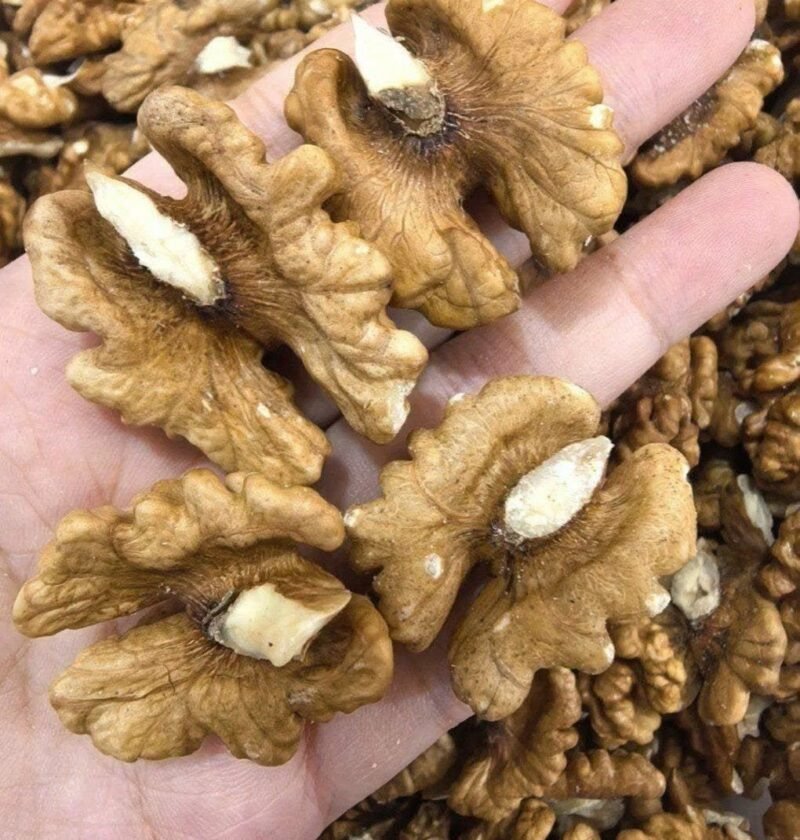
“Doctors Reveal That Eating Walnuts Causes…” — What’s the truth?
If you’ve seen a headline like this, it’s probably leaving out the most important part. For most people, eating walnuts is associated with health benefits rather than harm.
What eating walnuts may do
- Support heart health ❤️
Studies have found that walnut-enriched diets can modestly reduce total and LDL (“bad”) cholesterol. (Harvard Health) - Provide healthy fats
Walnuts are particularly rich in alpha-linolenic acid (ALA), a plant-based omega-3 fatty acid, as well as fiber and other nutrients. (Harvard Health) - Help replace less-healthy snacks
Nuts can be a nutritious alternative to highly processed snacks when eaten in reasonable portions. (Mayo Clinic) - Potentially lower cardiovascular risk
Large reviews have found an association between regular nut consumption and lower cardiovascular disease risk, although this doesn’t prove that walnuts alone prevent disease. (PubMed)
But walnuts aren’t right for everyone
- Nut allergy: People with a walnut/tree-nut allergy should avoid them. Allergic reactions can be serious. (PubMed)
- Calories: Walnuts are energy-dense, so eating large amounts in addition to your normal diet can contribute extra calories. (Mayo Clinic)
- Digestive discomfort: A sudden large increase in nuts can cause bloating or digestive symptoms in some people.
- Kidney-related dietary restrictions: Some people with advanced kidney disease may need to limit certain nutrients; their diet should be individualized by a healthcare professional.
How much?
A small handful (around 28 g/1 ounce) is a commonly used serving. Think of walnuts as a replacement for less nutritious snacks rather than something to add in unlimited quantities. (Harvard Health)
Bottom line: A headline suggesting that doctors have discovered walnuts cause some major disease is likely clickbait unless it specifies a particular risk and provides evidence. For most people without a nut allergy, walnuts can be part of a healthy, balanced diet.