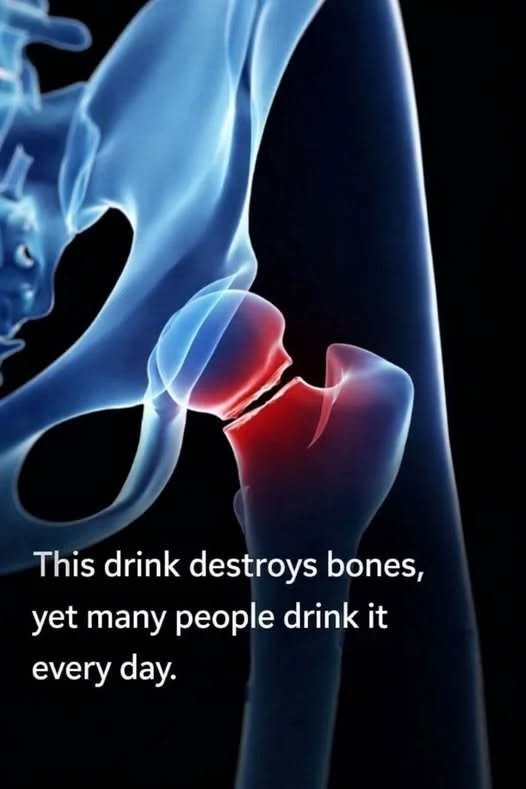
When wellness blogs and clickbait headlines warn you about the “five drinks that are most harmful to your bones, according to health experts,” they often use alarmist language to target beverages many of us consume every day. While skeletal health is a serious and lifelong pursuit, sensationalized lists frequently exaggerate the impact of individual drinks while ignoring the broader context of your overall diet, lifestyle, and skeletal biology.
To separate internet hyperbole from clinical rheumatology and orthopedics, let’s examine how lifestyle choices actually impact bone density, which drinks genuinely deserve caution, and how to protect your skeleton over time.
How Bone Health Actually Works
Your bones are not static, lifeless scaffolds; they are living, dynamic tissue that is constantly breaking down and rebuilding in a process called bone remodeling.
-
Up until your late 20s or early 30s, your body builds more bone than it breaks down, allowing you to reach your peak bone mass.
-
As you age, the balance shifts, making it vital to preserve the bone density you have and minimize unnecessary mineral leaching.
While no single beverage will instantly destroy your skeleton, certain drinks, when consumed in excess, can interfere with calcium absorption, displace nutrient-dense foods, or negatively affect bone turnover.
The 5 Drinks Frequently Flagged (and the Clinical Reality)
1. Cola and Dark Carbonated Sodas
-
The Claim: The phosphoric acid and carbonation in cola melt your bones and leach out calcium instantly.
-
The Clinical Reality: Colas contain high amounts of phosphoric acid. Some epidemiological studies have noted a correlation between high cola consumption and lower bone mineral density, particularly in women. However, the primary issue is often displacement: when people drink large quantities of sugary soda every day, they are usually replacing milk, fortified plant milks, or water—missing out on essential calcium and vitamin D. Furthermore, excessive phosphorus relative to calcium intake can theoretically alter parathyroid hormone regulation, though occasional consumption is easily handled by a healthy body.
2. Excessive Alcohol
-
The Claim: Drinking alcohol turns your bones brittle.
-
The Clinical Reality: Chronic, heavy alcohol consumption is genuinely detrimental to skeletal health. Alcohol directly toxicates the cells responsible for building bone (osteoblasts), interferes with the liver’s ability to activate Vitamin D, and lowers calcium absorption in the gut. It also increases the risk of falls, which can lead to fractures in individuals with weakened bones. (Light or moderate drinking has a much less pronounced effect, but heavy, chronic abuse is a major risk factor for osteoporosis).
3. Excessive Caffeine (Coffee and Energy Drinks)
-
The Claim: Caffeine flushes calcium right out of your system, causing your bones to crumble.
-
The Clinical Reality: Caffeine does have a mild, temporary diuretic effect and can slightly increase the amount of calcium excreted in urine, but the impact is very small. For most healthy adults, moderate caffeine intake (up to 400 mg a day, or about 3–4 cups of coffee) has a negligible effect on bone health—provided your diet contains adequate calcium to make up for any minor loss. The concern rises primarily with heavy energy drink consumption, which often combines massive doses of caffeine with high sugar and phosphoric acid.
4. Excessively Sugary Juices and Sweetened Beverages
-
The Claim: Sugar robs your body of nutrients and destroys bone density.
-
The Clinical Reality: Diets chronically high in added sugars contribute to systemic inflammation and oxidative stress, which can negatively impact bone remodeling over time. Additionally, sugary beverages contribute to weight gain and obesity; while carrying extra weight can sometimes exert mechanical loading that builds certain bones, high visceral fat is linked to poorer overall bone quality and metabolic health.
5. Heavily Sweetened or Excessive “Coffee Shop” Specialty Drinks
-
The Claim: Fancy flavored lattes are secretly eroding your skeleton.
-
The Clinical Reality: This category usually loops back to the combination of high sugar, excessive syrups, and sometimes high caffeine content while displacing nutrient-dense hydration. Interestingly, if a specialty drink is made with standard dairy milk, it actually provides a solid dose of calcium and protein—so the issue lies more in the sugar and calorie overload than the dairy itself.
How to Build and Protect Strong Bones
Instead of stressing over every sip you take, focus on the fundamental, evidence-based pillars of long-term skeletal health:
-
Adequate Calcium Intake: Ensure your diet includes bioavailable sources of calcium—such as dairy products, fortified plant milks, dark leafy greens (like kale and bok choy), and canned fish with edible bones.
-
Vitamin D Optimization: Vitamin D is essential because your gut cannot absorb calcium effectively without it. Get safe sun exposure and include fatty fish, eggs, or fortified foods in your diet (or consult your doctor about supplementation if blood tests show a deficiency).
-
Weight-Bearing and Resistance Exercise: Bones grow stronger when forced to work against gravity. Walking, running, dancing, tennis, and weightlifting stimulate osteoblasts to lay down new, denser bone tissue.
-
Avoid Smoking: Nicotine and tobacco smoke are directly toxic to bone-forming cells and lower estrogen levels, significantly accelerating bone loss.
The Bottom Line
You don’t need to live in fear of your morning coffee or an occasional soda. Skeletal health is built over a lifetime through consistent nutrition, physical activity, and overall lifestyle habits—not by avoiding a single beverage.
Are you looking into bone health for yourself as a preventive measure, or managing a condition like osteopenia or osteoporosis?