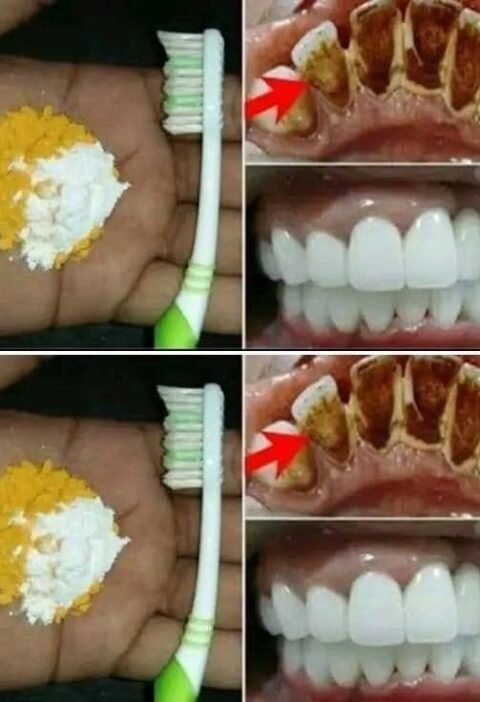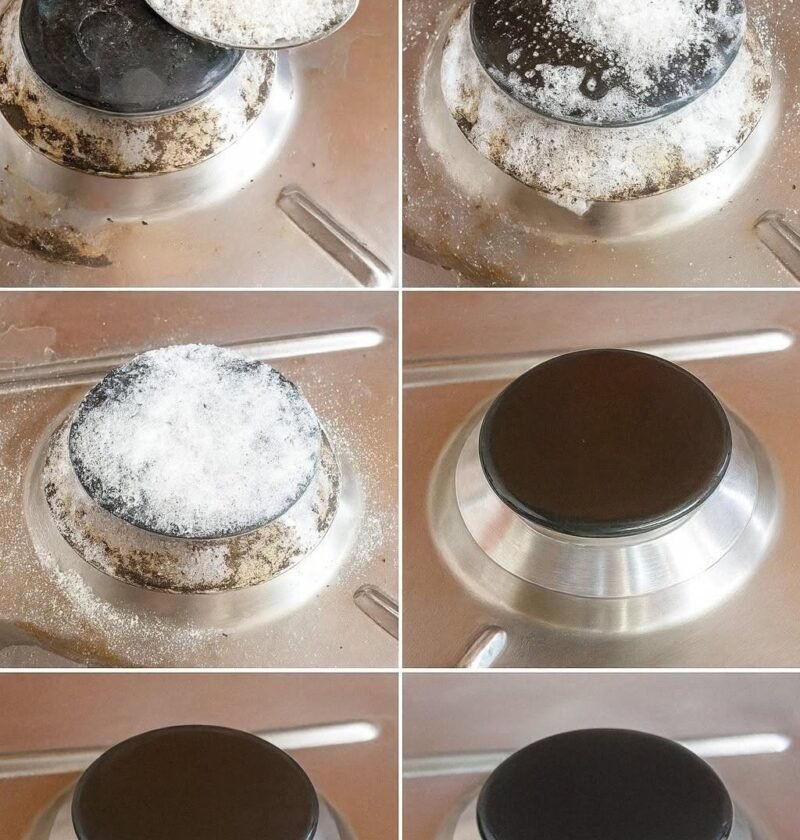
When viral cleaning videos promise that a mysterious “one-tablespoon” kitchen trick will instantly make your greasy, burnt gas stove look brand new—often flashing dramatic before-and-after shots—they are capitalizing on one of the most frustrating chores in household maintenance. Stovetops accumulate stubborn grease, baked-on carbon splatters, and mineral crusts that can feel impossible to scrub away.
While you don’t need a magical single tablespoon of a secret elixir to restore your stove, understanding the right chemical approach makes cleaning it remarkably easy and safe.
Here is the practical, realistic breakdown of how to clean and degrease a gas stove properly, along with the safety pitfalls to avoid:
What the “One Tablespoon” Hacks Usually Rely On
Most of these viral videos feature one of two standard DIY mixtures:
-
Baking Soda and Hydrogen Peroxide (or Water): Creating a paste to scrub away burnt-on carbon.
-
Dish Soap and Ammonia or Vinegar: Using an alkaline soap to cut grease combined with an acid or solvent.
While these ingredients can be helpful, the idea that a single tablespoon magically melts away months of baked-on grease is pure cleaning-show theater. Real carbon buildup requires a bit of soaking time and mechanical scrubbing.
The Right Way to Clean and Shine a Gas Stove
Instead of relying on viral clickbait, follow a simple, step-by-step method to safely restore your stovetop’s finish:
1. Remove the Burner Grates and Caps
-
The Method: Take off the cast-iron grates and burner caps and place them in your sink.
-
The Trick: If they are heavily greased, fill your sink or a large tub with hot water and a generous squirt of heavy-duty dish soap (or washing soda), and let them soak for 30 to 60 minutes to soften the baked-on carbon before scrubbing with a non-scratch nylon pad.
2. Apply a Degreasing Paste for Baked-On Spills
-
The Method: For the main stovetop surface, mix baking soda with a few drops of dish soap and warm water to form a spreadable paste. Coat the burnt-on spots liberally.
-
Why It Works: Baking soda is a mild, non-scratch abrasive that physically lifts charred food particles, while dish soap breaks down greasy oils.
-
Let It Sit: Give the paste 15 to 30 minutes to work. Do not scrub immediately; let the compound soften the grime.
3. Wipe and Polish
-
The Method: Use a damp microfiber cloth or a non-scratch plastic scraper to gently lift away the loosened residue and baking soda paste. Buff dry with a clean, dry microfiber cloth to restore the shine without leaving water spots.
Critical Safety Warnings for Stove Cleaning
Before you try random chemical combinations you see online, keep these safety rules in mind:
-
Never Mix Bleach and Ammonia (or Acid): Some cleaning videos suggest mixing various household products together. Mixing bleach with ammonia creates toxic chloramine gas, and mixing bleach with vinegar creates chlorine gas. Always use cleaners individually and rinse thoroughly between steps.
-
Protect Electric Ignition Ports: If you have a modern gas stove, be careful not to flood the small electronic ignition electrodes with excessive water or liquid cleaner, as trapped moisture can prevent the burners from clicking and lighting properly until they dry out completely.
-
Avoid Steel Wool on Enamel or Stainless Steel: Using harsh metal scouring pads on a glossy enamel or polished stainless steel stovetop will permanently scratch and ruin the finish. Stick to soft sponges, nylon scrubbers, or plastic scrapers.
Are you dealing with stubborn burnt-on grease on cast-iron grates, or trying to restore the shine on a stainless steel stovetop?