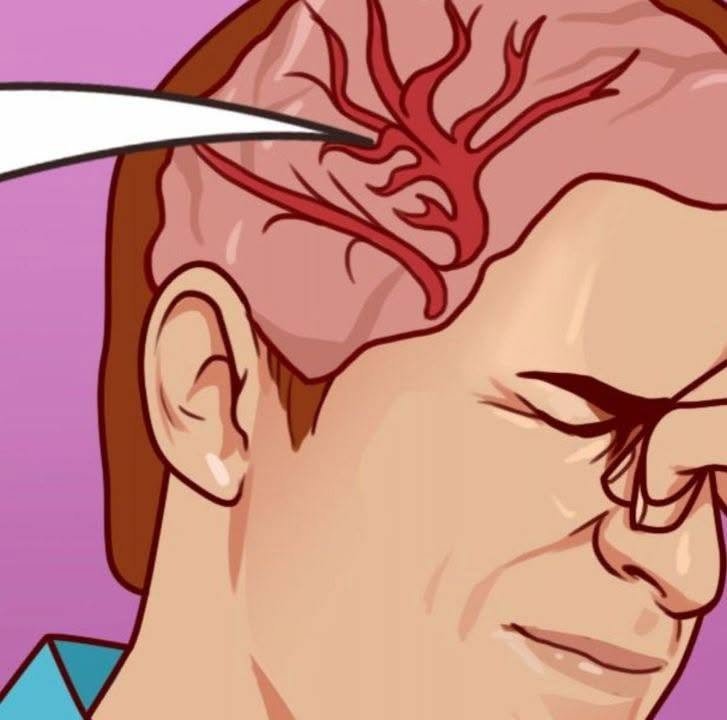
Magnesium is an essential mineral involved in over 300 enzymatic reactions in the body, ranging from energy production and muscle function to nervous system regulation. When your levels drop, your body often sends subtle—and sometimes uncomfortable—signals.
Here are 12 common signs that you may need more magnesium:
1. Muscle Cramps and Spasms
Because magnesium helps muscles relax after contraction, a shortage can cause nerve cells to become over-excitable. This frequently results in sudden, painful muscle cramps, twitches, or spasms (especially in the calves or feet, often at night).
2. Persistent Fatigue and Low Energy
Magnesium is critical for creating ATP (adenosine triphosphate), the primary energy currency of your cells. If your levels are low, your cellular energy production takes a hit, leaving you feeling chronically exhausted or weak even after a full night’s rest.
3. Sleep Difficulties and Insomnia
Magnesium helps calm the nervous system and regulates neurotransmitters (like GABA) that quiet brain activity and promote deep sleep. A deficiency can lead to restless nights, frequent waking, or trouble falling asleep.
4. Anxiety, Irritability, and Mood Changes
Because this mineral modulates how your brain handles stress and regulates mood-influencing neurotransmitters, low levels can leave you feeling unusually anxious, “on edge,” or prone to mood swings.
5. Frequent Headaches or Migraines
Low magnesium can affect blood vessel constriction and neurotransmitter release, both of which are triggers for tension headaches and migraines. Research shows that individuals prone to chronic migraines often have lower magnesium stores.
6. Numbness and Tingling
Abnormal nerve signaling caused by inadequate magnesium can manifest as a “pins and needles” sensation or numbness, typically felt in the hands, feet, or extremities.
7. High Blood Pressure
Magnesium plays a key role in relaxing blood vessel walls. Without enough of it, blood vessels may constrict more tightly, contributing to elevated blood pressure over time.
8. Heart Palpitations or Irregular Heartbeat
As a critical electrolyte, magnesium helps maintain the electrical stability of heart cells. A significant deficiency can cause skipped beats, heart palpitations, or more serious arrhythmias, which require prompt medical evaluation.
9. Brain Fog and Poor Concentration
Cognitive sluggishness, difficulty concentrating, and short-term memory lapses are frequently linked to low magnesium, as the mineral is vital for efficient brain cell communication.
10. Digestive Issues (Constipation or Spasms)
Magnesium helps regulate the smooth muscle contractions of your digestive tract. Low levels can slow down bowel movements, leading to stubborn constipation or uncomfortable abdominal cramping.
11. Loss of Appetite and Nausea
Early or mild magnesium deficiency is frequently accompanied by a subtle loss of appetite, occasional queasiness, or mild nausea.
12. Long-Term Bone Health Concerns
The majority of the body’s magnesium is stored in the bones. Over the long haul, chronic deficiency can negatively impact bone mineralization and density, increasing the risk of structural weakness or osteoporosis.
How to Boost Your Magnesium Safely
-
Eat Magnesium-Rich Foods: Incorporate plenty of leafy greens (like spinach), pumpkin seeds, almonds, chia seeds, black beans, avocados, and whole grains into your diet.
-
Consider Supplements: If you suspect a deficiency, high-quality supplements (such as magnesium glycinate for sleep/relaxation or magnesium citrate for digestion) can help, but it’s best to start slow.
Note: Because symptoms like fatigue, cramping, and tingling can overlap with many other health conditions, it is always wise to consult a healthcare provider for personalized guidance and proper testing (such as an RBC magnesium test) before starting high-dose supplementation.
Are you experiencing any of these specific signs, or are you looking into magnesium for a particular health goal?