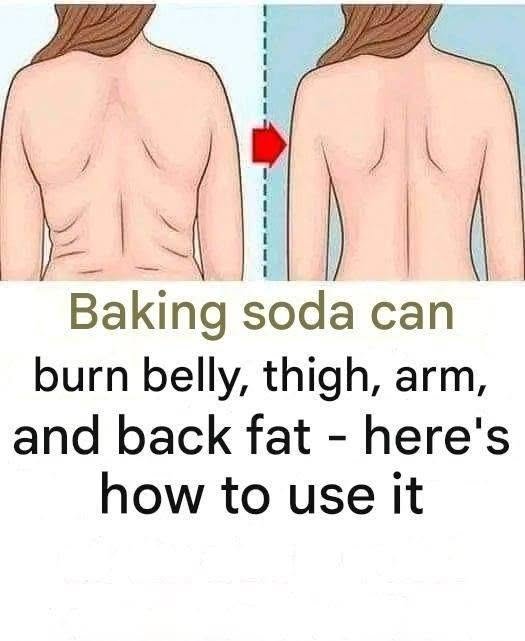
That popular internet claim is another viral health myth. Despite what catchy social media videos and clickbait articles suggest, drinking baking soda does not burn belly fat.
Why Baking Soda Doesn’t Burn Fat
-
The Biology of Weight Loss: Belly fat (visceral and subcutaneous fat) can only be reduced when your body experiences a sustained caloric deficit—meaning you burn more calories than you consume through a combination of nutrition, movement, and metabolism. No food, powder, or drink can spot-reduce fat or chemically “melt” it away.
-
The Myth of “Alkalizing” Fat: Some viral recipes claim that baking soda alkalizes the body to burn fat. In reality, your kidneys and lungs tightly regulate your blood pH within a strict, healthy range (7.35–7.45). Drinking an alkaline solution like baking soda cannot change your internal pH or target fat stores.
The Risks of Drinking Baking Soda
Consuming baking soda mixed with water or lemon juice—often recommended in these viral trends—can actually be harmful:
-
Severe Electrolyte Imbalance: Baking soda is extremely high in sodium. Ingesting it can lead to dangerous shifts in your body’s electrolyte balance, raising blood pressure or causing strain.
-
Gastric Rupture Risk: When baking soda (a base) mixes with the hydrochloric acid in your stomach, it creates a rapid chemical reaction that produces large amounts of carbon dioxide gas. This can cause severe cramping, severe bloating, vomiting, or in rare, extreme cases, gastric rupture.
Safe, Evidence-Based Ways to Support Fat Loss
If your goal is to reduce belly fat and improve your overall health, focus on sustainable, proven strategies rather than quick-fix concoctions:
-
Maintain a Moderate Caloric Deficit: Focus on whole foods rich in lean proteins, fiber, and healthy fats while reducing ultra-processed foods and added sugars.
-
Incorporate Strength and Cardio Training: Building muscle through resistance training while engaging in regular cardiovascular exercise boosts your overall metabolic health and aids fat loss.
-
Prioritize Sleep and Stress Management: High levels of the stress hormone cortisol are linked to increased visceral belly fat storage. Aim for 7–9 hours of quality sleep nightly.