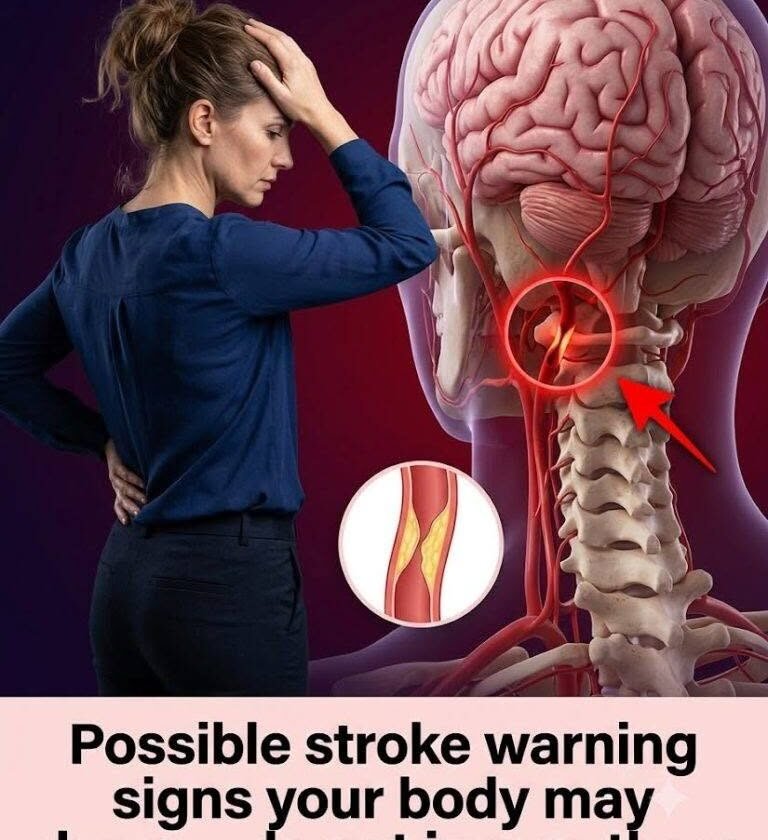
Recognizing the signs of a stroke quickly and taking immediate action can save a life and drastically improve recovery outcomes. Medical professionals widely use the FAST acronym, along with other key indicators, to spot a stroke early.
The FAST Warning Signs
The most common symptoms of a stroke can be remembered using FAST:
-
F – Face Drooping: Does one side of the face droop, or is it numb? Ask the person to smile to check for asymmetry.
-
A – Arm Weakness: Is one arm weak or numb? Ask the person to raise both arms. Does one drift downward?
-
S – Speech Difficulty: Is their speech slurred, are they unable to speak, or are they hard to understand? Ask them to repeat a simple sentence (e.g., “The sky is blue”).
-
T – Time to Call Emergency Services: If the person shows any of these symptoms—even if the symptoms go away—call your local emergency number (such as 911) immediately and note the exact time the symptoms started.
Additional Early Warning Signs
Strokes can affect different parts of the brain, leading to other sudden symptoms:
-
Sudden Confusion: Trouble understanding speech, sudden disorientation, or difficulty processing thoughts.
-
Sudden Trouble Seeing: Blurred vision, double vision, or sudden loss of vision in one or both eyes.
-
Sudden Trouble Walking: Loss of balance, dizziness, unsteadiness, or a sudden lack of coordination.
-
Sudden Severe Headache: A sudden, unusually severe, and unexplained headache with no known cause.
-
Sudden Numbness or Weakness: Sudden numbness, weakness, or paralysis in the face, leg, or arm, especially on one side of the body.
-
Sudzed Dizziness or Loss of Balance: Feeling lightheaded or sudden vertigo accompanied by other neurological signs.
[!IMPORTANT]Act Immediately: A stroke is a medical emergency. Every minute counts—delaying treatment can lead to permanent brain damage or disability. Never wait to see if symptoms will “wear off” on their own.
Is there a specific aspect of stroke prevention, recovery, or risk factors you would like to explore further?