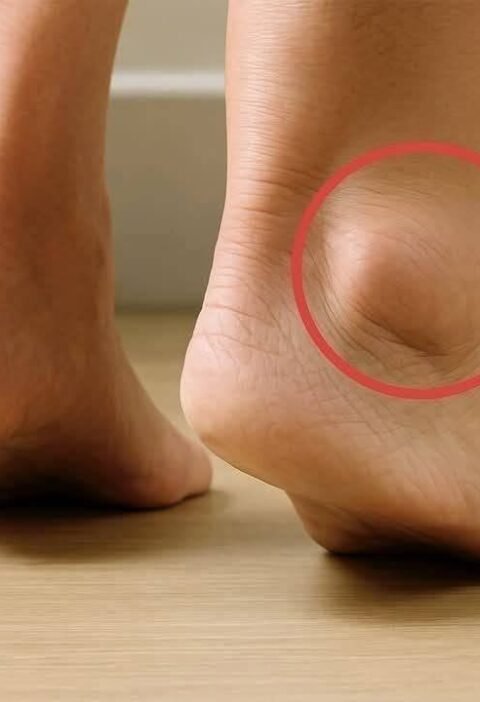
Nocturnal leg cramps—sudden, painful involuntary contractions of the muscles (most commonly the calves) that strike during rest or sleep—can affect anyone, but certain groups of people are significantly more at risk.
The individuals most vulnerable to night cramps include:
1. Older Adults (Ages 50 and Older)
-
Who is affected: Adults over the age of 50, with prevalence climbing sharply in those over 60.
-
Why: As people age, the tendons that connect muscles to bones naturally shorten and tighten. Additionally, older adults experience a gradual loss of motor neurons, which can alter nerve signaling to muscles and increase the likelihood of cramping.
2. Pregnant Individuals
-
Who is affected: Up to half of all women experience frequent night cramps during pregnancy, particularly kicking in during the second and third trimesters.
-
Why: This is largely driven by rapid weight gain (which strains leg muscles), alterations in blood circulation, changes in mineral and electrolyte balance (such as calcium and magnesium), and hormonal shifts.
3. Individuals with Specific Chronic Medical Conditions
-
Who is affected: People managing conditions like type 2 diabetes, peripheral artery disease (PAD), Parkinson’s disease, chronic kidney disease, or thyroid disorders.
-
Why: Many of these conditions affect nerve function (neuropathy), impair blood circulation, or disrupt fluid and electrolyte balance (minerals like potassium, magnesium, and calcium that regulate muscle contraction and relaxation).
4. People Taking Certain Medications
-
Who is affected: Individuals prescribed specific drugs, most notably diuretics (“water pills” often used for high blood pressure or heart conditions), statins (for cholesterol), and certain asthma medications or intravenous iron.
-
Why: Diuretics can cause the body to flush out vital fluids and electrolytes, while other medications can directly alter muscle and nerve metabolism.
5. Individuals with High Muscle Fatigue or Sedentary Routines
-
Who is affected: Endurance athletes, individuals who overexert their muscles, people who stand for long shifts on hard surfaces, or conversely, those who lead predominantly sedentary lifestyles with prolonged sitting.
-
Why: Extreme muscle fatigue or a lack of movement causes muscles to stay in shortened positions for too long, making them hyper-reactive when stretched or relaxed at night.
[!NOTE]Simple Ways to Reduce Risk:Staying well-hydrated throughout the day, incorporating gentle calf stretches into your bedtime routine, and wearing supportive footwear can often help minimize the frequency and intensity of nocturnal cramps.
Are you or a loved one experiencing frequent night cramps alongside other symptoms, or are you looking for ways to prevent them?