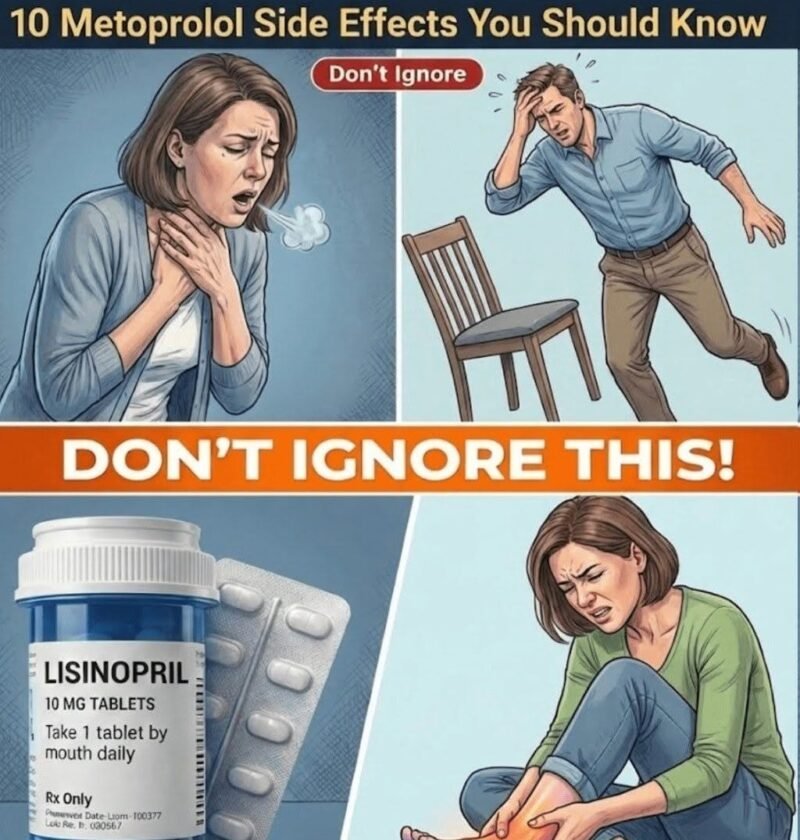
Building on the standard profile of metoprolol, there are several lesser-known or frequently overlooked side effects that doctors and patients don’t always discuss in the standard consultation room. Because beta-blockers influence the autonomic nervous system, metabolism, and circulation in subtle ways, their impact can extend beyond the cardiovascular system.
Here are 10 overlooked or under-discussed side effects of metoprolol:
1. Exercise Intolerance (The “Wall” During Workouts)
-
What happens: You might notice that your usual cardio workout, run, or bike ride suddenly feels extraordinarily difficult, as if you’ve hit an invisible wall.
-
Why it’s overlooked: Because metoprolol blunts your maximum heart rate, your cardiovascular system cannot ramp up to meet the demands of intense exercise. People often mistake this sudden lack of stamina for simple deconditioning or aging.
2. Weight Gain and Metabolic Slowdown
-
What happens: Gradual, stubborn weight gain over several months of consistent use.
-
Why it’s overlooked: Metoprolol can slightly lower your basal metabolic rate (by reducing energy expenditure) and combine with fatigue to make physical activity less frequent. Patients are often surprised by the scale creep since they haven’t necessarily changed their diet.
3. Sexual Dysfunction and Decreased Libido
-
What happens: Difficulty achieving or maintaining an erection, or a noticeable drop in sexual desire.
-
Why it’s overlooked: This is one of the most under-reported side effects because patients feel uncomfortable bringing it up, and physicians don’t always proactively screen for it. Reduced blood flow to extremities and beta-blockers’ dampening effect on sympathetic nerve signals play a major role here.
4. Dry Eyes and Vision Irritation
-
What happens: A gritty, dry sensation in the eyes, sometimes interfering with contact lens wear.
-
Why it’s overlooked: Beta-receptors are present in lacrimal (tear) glands. Blocking them can reduce tear production, leading to dry eye syndrome—a side effect rarely connected to a heart medication by patients.
5. Hair Thinning (Telogen Effluvium)
-
What happens: Increased hair shedding or noticeable thinning a few months after starting the medication or changing the dose.
-
Why it’s overlooked: While relatively rare, beta-blockers can occasionally shock hair follicles into a resting phase, leading to delayed shedding that people rarely link back to their blood pressure prescription.
6. Paresthesia (The “Pins and Needles” Sensation)
-
What happens: Occasional tingling or numbness in the fingers, toes, or hands.
-
Why it’s overlooked: Because metoprolol restricts peripheral blood flow to conserve core temperature, the resulting drop in micro-circulation to the extremities can trigger transient nerve tingling, which is often misattributed to a pinched nerve or poor posture.
7. Subtle Cognitive Fog and Memory Slips
-
What happens: Mild forgetfulness, difficulty concentrating, or feeling like your thoughts are moving through molasses.
-
Why it’s overlooked: Lipophilic beta-blockers can cross the blood-brain barrier. While not severe, this subtle cognitive dulling is frequently dismissed as normal fatigue or “brain fog” rather than a pharmacological side effect.
8. Worsening Raynaud’s Phenomenon
-
What happens: Fingers or toes turning stark white, blue, or numb when exposed to cold temperatures or stress.
-
Why it’s overlooked: If a patient has mild, undiagnosed Raynaud’s tendency, metoprolol can drastically amplify the constriction of blood vessels in the fingers, turning a minor quirk into painful, dramatic color changes.
9. Muscle Cramps and Weakness
-
What happens: Unexplained cramping in the calves, feet, or thighs, particularly at night or after mild exertion.
-
Why it’s overlooked: Altered blood flow and electrolyte management in muscle tissues, combined with lowered overall metabolic output, can leave muscles more prone to spasms and cramping.
10. Paradoxical Anxiety or Jitters upon Dosing Adjustments
-
What happens: Brief waves of inner restlessness, anxiety, or a feeling of being “on edge” when starting or tweaking the dose.
-
Why it’s overlooked: While beta-blockers are sometimes prescribed for anxiety, the nervous system’s attempt to recalibrate to sudden changes in adrenergic blocking can occasionally trigger a rebound sense of unease before stabilizing.
A Quick Note on Managing These Effects: Many overlooked side effects can be mitigated by adjusting the dosage, switching from an immediate-release tablet to an extended-release formulation (like metoprolol succinate), or timing when you take your medication. Always discuss persistent or frustrating symptoms with your healthcare provider before making any changes.