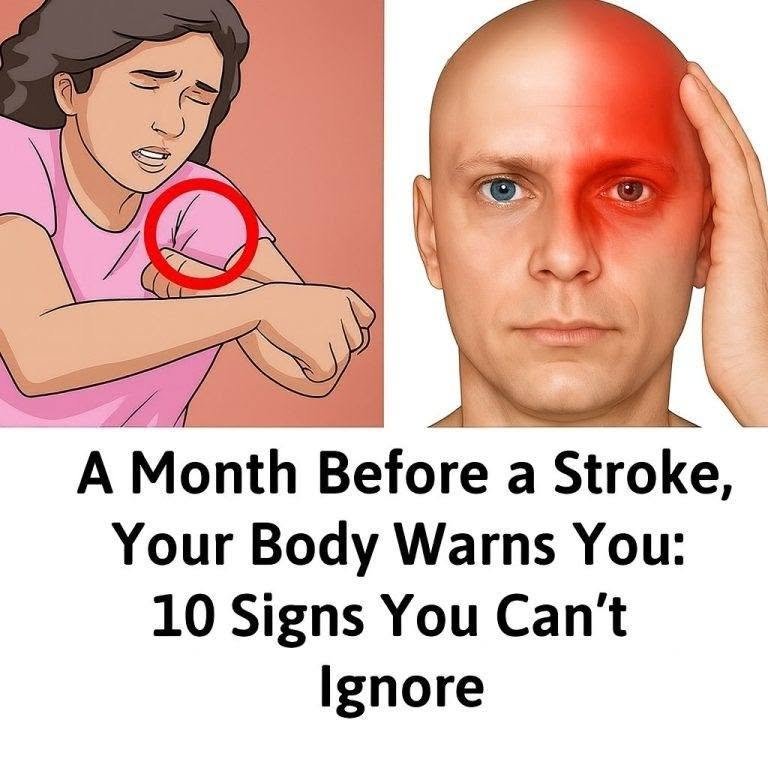
A Month Before a Stroke: 10 Warning Signs You Should Know
A stroke does not always give you a month’s warning. Some people experience warning symptoms hours or days beforehand, while many strokes happen suddenly without any obvious advance symptoms.
One important warning is a transient ischemic attack (TIA), sometimes called a mini-stroke. It can cause stroke-like symptoms that disappear within minutes or hours. Even if you feel completely normal afterward, a TIA is a medical emergency because it can signal a risk of a more serious stroke.
10 signs and symptoms you should never ignore
These symptoms do not reliably predict a stroke one month in advance. They are warning signs to recognize, especially when they appear suddenly.
-
Sudden numbness or weakness in the face, arm, or leg, especially on one side.
-
Facial drooping, such as one side of the mouth sagging when smiling.
-
Slurred speech or difficulty finding or understanding words.
-
Sudden vision changes, including blurred or double vision or loss of vision.
-
Unexpected dizziness or loss of balance, particularly with other neurological symptoms.
-
Difficulty walking or sudden loss of coordination.
-
A sudden, severe headache with no known cause.
-
Sudden confusion or difficulty understanding what is happening.
-
Trouble swallowing, particularly if it begins suddenly.
-
Stroke-like symptoms that disappear after a few minutes. This may be a TIA and still requires emergency assessment.
Remember B.E. F.A.S.T.
B
Sudden loss of balance or coordination.
E
Sudden trouble seeing.
F
One side droops when smiling.
A
One arm feels weak or drifts downward.
S
Speech becomes slurred or confusing.
Call your local emergency service immediately. Do not wait to see whether symptoms improve.
This checklist follows CDC stroke-recognition guidance.
How to lower your risk of stroke
-
Keep your blood pressure under control.
-
Manage diabetes and high cholesterol.
-
Avoid smoking and tobacco.
-
Exercise regularly and eat a balanced diet.
-
Take prescribed medicines as directed.
-
Seek prompt medical assessment for a suspected TIA.
Most importantly: If stroke symptoms are happening now, call emergency services immediately, note when they began, and do not drive yourself to hospital. Do not take aspirin on your own for suspected stroke, because some strokes involve bleeding.
For more information, you can learn how to prevent a stroke or understand mini-strokes (TIA).