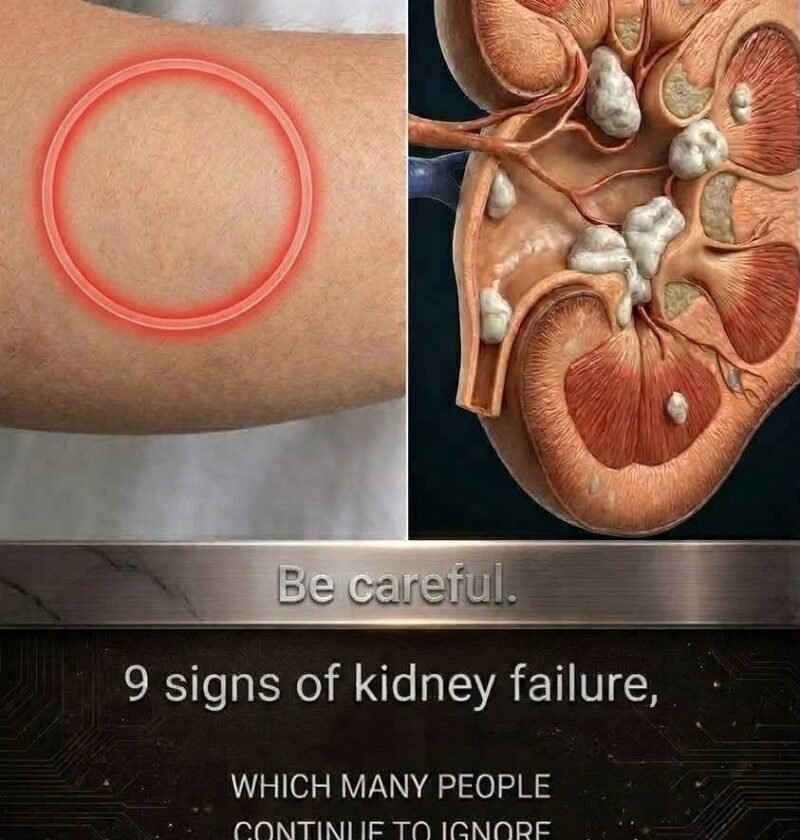
9 Important Signs of Kidney Problems Everyone Should Know
Your kidneys filter waste from your blood, balance fluids and minerals, help regulate blood pressure, and support red blood cell production. When kidney function declines, waste and excess fluid can build up in the body.
The most important thing to know is that early kidney disease often causes no noticeable symptoms. You can have reduced kidney function and still feel completely well, so testing is important if you have risk factors such as diabetes, high blood pressure, or a family history of kidney disease.
The 9 warning signs of kidney problems
Repeatedly seeing unusually foamy urine may indicate protein leaking into the urine. Occasional bubbles can be normal, so persistent changes deserve a urine test.
Damaged kidneys may retain excess salt and fluid. Swelling can also result from heart, liver, or vein problems, so it should not automatically be attributed to the kidneys.
Reduced kidney function can contribute to anemia and the buildup of waste products, leaving you unusually tired or weak.
Urine that looks pink, red, or brown may contain blood. Causes include kidney disease, kidney stones, and urinary infections. Visible blood should be medically assessed, even if it occurs only once.
Needing to urinate more often at night, passing much less urine than usual, or experiencing a persistent change in urinary habits can be a warning sign. These changes also have many non-kidney causes.
Advanced kidney disease can disturb mineral balance and allow waste products to accumulate, contributing to itching. Dry skin and itching alone do not establish a kidney problem.
These can occur when kidney disease becomes more advanced, but digestive illnesses and many other conditions can cause the same symptoms.
Kidney problems can disturb the balance of electrolytes and minerals, sometimes causing cramps or muscle weakness. Cramps can also result from dehydration, exercise, or medication effects.
Advanced kidney disease can cause fluid to accumulate in the lungs or contribute to anemia. New or worsening breathlessness needs prompt medical evaluation; severe breathlessness is an emergency.
These symptoms are recognized warning signs, but none can diagnose kidney disease on its own.
How can you check your kidney function?
The most useful tests are:
-
Serum creatinine with eGFR: A blood test that estimates how well your kidneys filter waste.
-
Urine albumin-to-creatinine ratio (UACR): Detects small amounts of protein in urine that may indicate kidney damage.
-
Blood pressure measurement: High blood pressure can both cause and result from kidney disease.
Chronic kidney disease is generally diagnosed when kidney abnormalities persist for at least three months. A single abnormal result does not always mean you have chronic kidney disease.
Who should be especially careful?
You should discuss kidney testing with a healthcare professional if you have diabetes, high blood pressure, heart disease, a family history of kidney failure, or a history of kidney injury.
Seek urgent medical care if you produce little or no urine, develop severe breathlessness, experience confusion, or have rapidly worsening swelling.
Remember: You can have kidney disease without any symptoms. If you are concerned, don’t rely on symptoms or home remedies alone.
You can learn which kidney tests to request or learn how to protect your kidneys.