12 Amlodipine Side Effects You Should Never Ignore
Amlodipine is a commonly prescribed medicine used to treat high blood pressure (hypertension) and certain types of chest pain (angina). It relaxes blood vessels, helping blood flow more easily and reducing the workload on your heart.
Like all medicines, amlodipine can cause side effects. Most are mild, but some symptoms may require urgent medical attention.
Important: Don’t panic if you’re taking amlodipine. Serious reactions are uncommon, and many people use this medicine safely for years. Knowing which symptoms to watch for can help you respond appropriately.
The 12 side effects to watch for
This is one of the most common side effects. Amlodipine widens blood vessels, which can allow fluid to accumulate in tissues. Contact your doctor if swelling is persistent, painful, or worsening, especially if it occurs with breathlessness.
You may feel dizzy when standing up or experience unsteadiness. Sit or lie down until it passes. Severe dizziness or fainting requires urgent medical assessment.
This is a major warning sign, not something to dismiss as an ordinary medication side effect. New, severe, or persistent chest pain may indicate a heart problem. Seek emergency medical care immediately.
Some people notice palpitations while taking amlodipine. If they are persistent, worsening, or accompanied by chest pain, shortness of breath, or fainting, seek urgent medical care.
Headaches can occur as your body adjusts to the medicine. Tell your doctor if they persist or interfere with daily life. A sudden, extremely severe headache warrants emergency assessment.
Your face or neck may feel warm or look red because blood vessels widen. This is usually temporary. Seek urgent help if flushing occurs with breathing difficulty or swelling of the face, lips, or tongue.
Fatigue can occur while taking amlodipine. If it is severe, persistent, or associated with fainting or breathlessness, have it assessed rather than assuming it is harmless.
Mild nausea or abdominal discomfort can occur. Sudden, severe, persistent abdominal pain, with or without vomiting, needs urgent medical assessment because rare cases of pancreatitis have been reported.
Changes in bowel habits are possible. Drink adequate fluids unless your clinician has restricted them. Seek medical advice for persistent symptoms, severe pain, or blood in your stool.
A new rash deserves medical advice, especially if it spreads. Swelling of the tongue or throat, difficulty breathing, or a rapidly developing severe allergic reaction is an emergency. Blistering or peeling skin also requires urgent care.
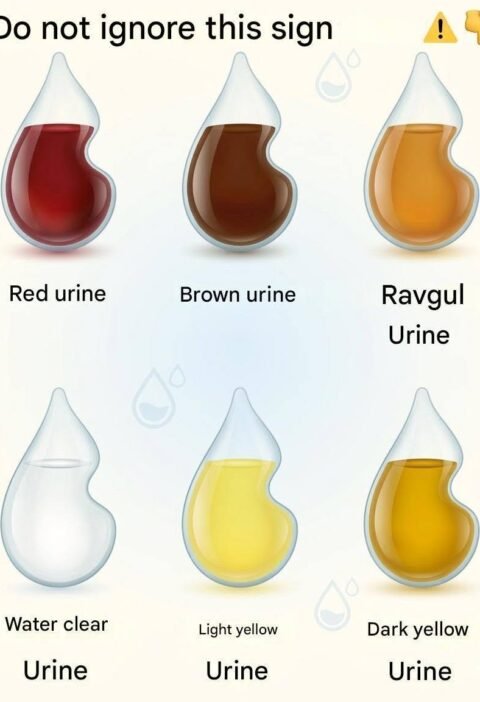
Yellowing can signal a liver problem. It is not a typical common side effect, but it should be assessed urgently, particularly if accompanied by dark urine, itching, or abdominal discomfort.
Amlodipine can sometimes contribute to low blood pressure. Fainting may indicate a significant problem, especially when accompanied by an abnormal heartbeat or chest pain. Seek urgent medical assessment; if the person is unconscious and unresponsive, call emergency services.
These symptoms and their potential seriousness are consistent with the medicine information provided by the NHS and MedlinePlus. Not all are equally common, and some are rare but potentially dangerous.
When should you seek emergency help?
-
Chest pain that is new, severe, or persistent.
-
Difficulty breathing or swelling of the tongue or throat.
-
Fainting with ongoing symptoms or inability to wake someone.
-
A severe allergic reaction or blistering, peeling skin.
How to take amlodipine more safely
-
Take it exactly as prescribed.
-
Do not stop taking it suddenly or change your dose without consulting your clinician.
-
Monitor your blood pressure as recommended.
-
Tell your doctor or pharmacist about all your other medicines and supplements.
-
Seek advice if side effects persist, worsen, or interfere with daily activities.MedlinePlus+1
The bottom line: Ankle swelling, headaches, flushing, and mild dizziness are relatively common. Chest pain, fainting, severe allergic symptoms, and severe abdominal pain are much more concerning. A side effect does not automatically mean you must stop the medicine.
If you’d like, I can also explain amlodipine side effects in simple Urdu or explain the side effects of 5 mg versus 10 mg.