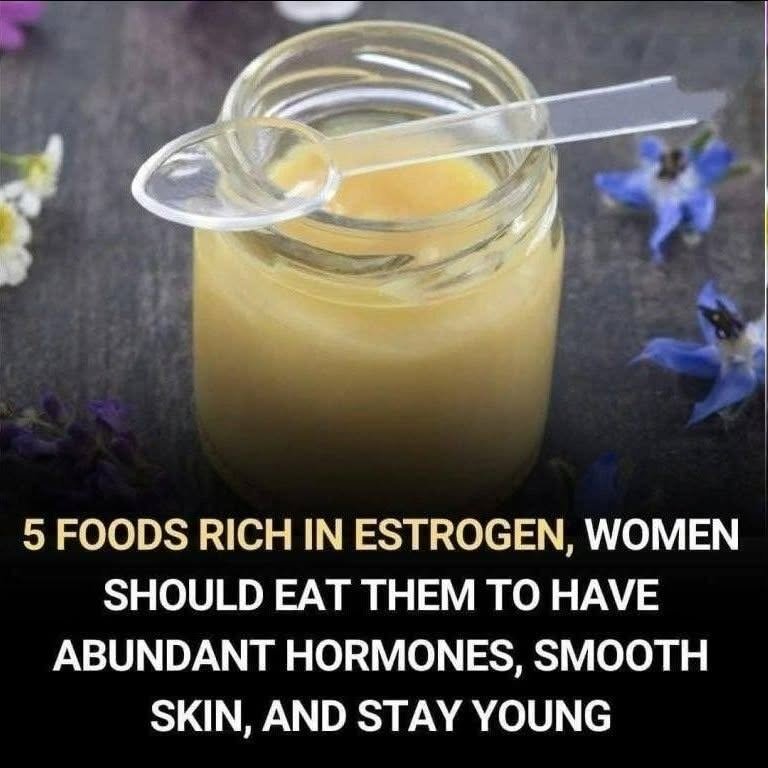
While foods do not contain human estrogen, many plant-based foods contain phytoestrogens—naturally occurring plant compounds that mimic or modulate estrogen effects in the human body.
Five of the richest dietary sources of phytoestrogens include:
1. Flaxseeds
-
Type of Phytoestrogen: Lignans
-
Why they stand out: Flaxseeds are the richest known dietary source of lignans, containing hundreds of times more than other plant foods.
-
How to eat them: Ground flaxseeds are best, as whole seeds pass through the body undigested. Stir a tablespoon into oatmeal, yogurt, smoothies, or baked goods.
2. Soybeans and Soy Products (Tofu, Tempeh, Edamame)
-
Type of Phytoestrogen: Isoflavones
-
Why they stand out: Soy is one of the most thoroughly researched and potent sources of dietary isoflavones. Minimally processed soy options provide a complete plant-based protein alongside hormone-modulating properties.
-
How to eat them: Snack on steamed edamame pods, add cubed tofu to stir-fries, or use tempeh as a protein source in grain bowls.
3. Sesame Seeds
-
Type of Phytoestrogen: Lignans
-
Why they stand out: Like flaxseeds, sesame seeds are packed with lignans and healthy fats. Regular intake has been studied for its potential to support bone health and lipid profiles, particularly in postmenopausal individuals.
-
How to eat them: Sprinkle sesame seeds over salads, stir-fries, or roasted vegetables, or use tahini (sesame paste) as a dressing or dip base.
4. Dried Fruits (Apricots, Dates, and Prunes)
-
Type of Phytoestrogen: Various phytoestrogens (including lignans)
-
Why they stand out: Dried fruits are a sweet, nutrient-dense snack that packs a higher concentration of phytoestrogens than their fresh counterparts, alongside a healthy dose of fiber and antioxidants.
-
How to eat them: Enjoy a small handful of dried apricots, dates, or prunes on their own, or chop them up to add to trail mixes and morning oatmeal.
5. Garlic
-
Type of Phytoestrogen: Isoflavonoids
-
Why they stand out: Beyond its powerful culinary flavor, garlic is a surprisingly rich source of phytoestrogens and contains beneficial antioxidant and anti-inflammatory compounds.
-
How to eat them: Mince or crush fresh garlic and incorporate it generously into sautées, dressings, soups, and marinades.
Note: Phytoestrogens interact gently with estrogen receptors in the body. If you are managing a specific hormone-sensitive health condition, it is always wise to consult your doctor or a registered dietitian before making major changes to your diet.