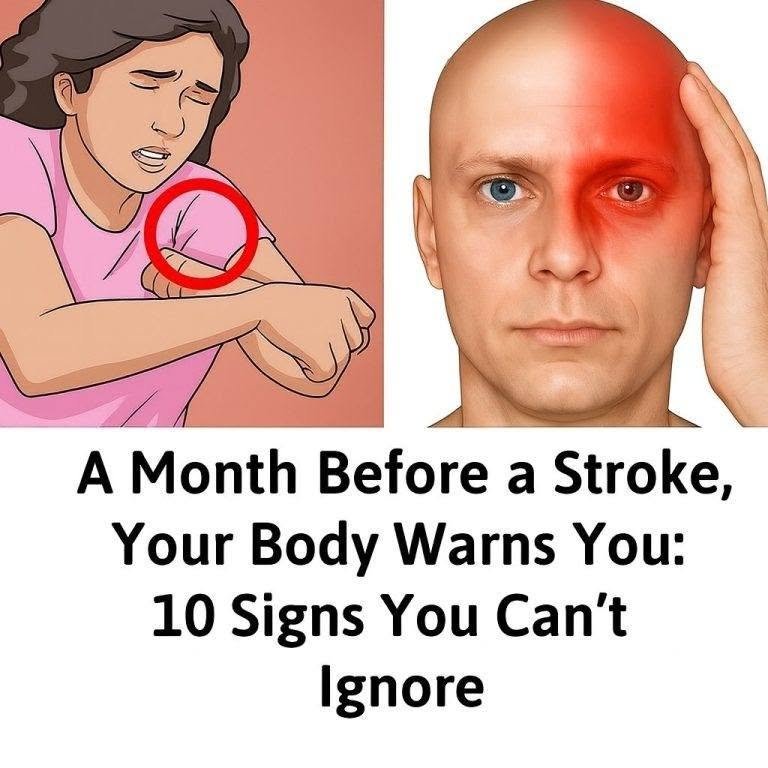
While strokes are classically known for striking suddenly, some people experience warning signs in the days or weeks leading up to a major event. Most notably, these can be signs of a **Transient Ischemic Attack (TIA)**—often called a “mini-stroke”—which is a critical medical warning that a full stroke may follow.
However, medical experts emphasize that true stroke symptoms are characterized by their **sudden onset** rather than a slow buildup over a month. When looking out for cerebrovascular risks, healthcare providers focus on acute warning signs and the conditions that precede them, rather than a fixed 10-step countdown.
—
### The Medical Reality: TIAs vs. Full Strokes
A TIA occurs when blood flow to a part of the brain is temporarily blocked. The symptoms mimic a stroke—such as sudden weakness, confusion, or vision changes—but typically resolve within a few minutes to an hour without permanent damage. **Never ignore a TIA;** studies show that up to a third of people who experience a TIA will have a major stroke, frequently within the following year (and highest risk in the days and weeks immediately after).
### How to Spot an Active Stroke: B.E. F.A.S.T.
Major health organizations like the American Stroke Association and Mayo Clinic use the **B.E. F.A.S.T.** acronym to help people recognize the sudden signs of a stroke or TIA that require immediate emergency intervention:
* **B – Balance Loss:** Sudden loss of balance, coordination, or trouble walking.
* **E – Eye Changes:** Sudden blurred vision, double vision, or loss of vision in one or both eyes.
* **F – Face Drooping:** One side of the face drooping or feeling numb. (Ask the person to smile to check if it’s uneven).
* **A – Arm Weakness:** Sudden weakness or numbness in one arm or leg. (Ask the person to raise both arms; does one drift downward?).
* **S – Speech Difficulty:** Slurred speech, difficulty speaking, or trouble understanding speech.
* **T – Time to Call 911 (or local emergency services):** If you observe any of these signs, call emergency services immediately. **Time is brain;** fast treatment can drastically reduce long-term disability.
—
### Key Risk Factors to Monitor
Rather than looking for specific daily symptoms weeks in advance, the best way to prevent a stroke is to manage underlying chronic conditions that compromise blood vessels over time, including:
* **High blood pressure (Hypertension):** The single leading cause of stroke.
* **Atrial Fibrillation (AFib):** An irregular heartbeat that can form clots traveling to the brain.
* **High cholesterol and Diabetes.**
* **Lifestyle factors:** Smoking, physical inactivity, and poor diet.
*If you or someone around you experiences sudden neurological changes—even if they seem to pass quickly—seek emergency medical evaluation right away.*