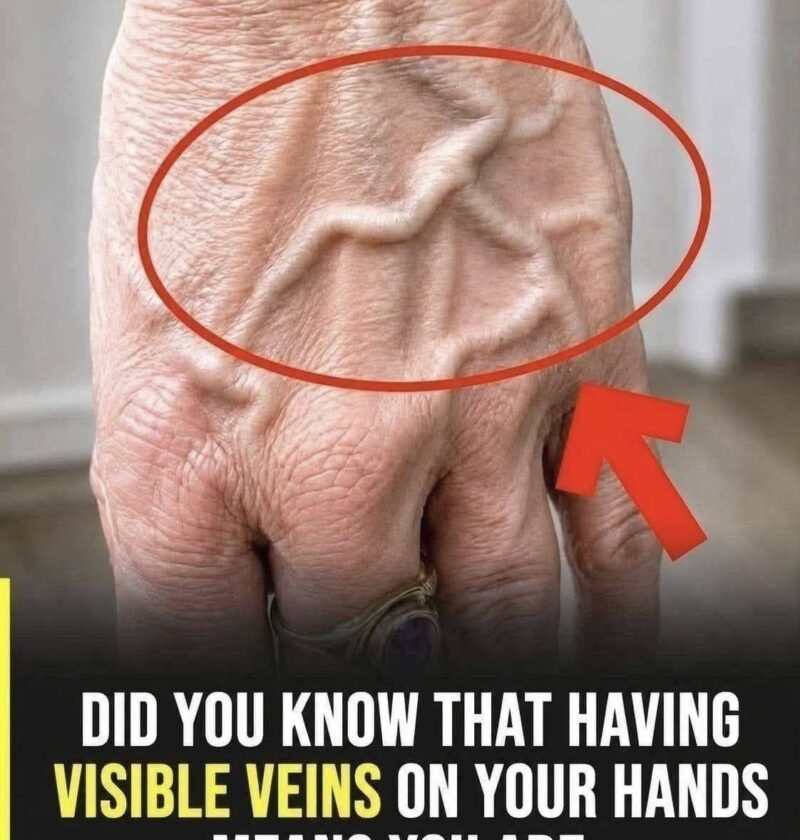
That sounds like the setup to a viral social media video making a sweeping claim about your health!
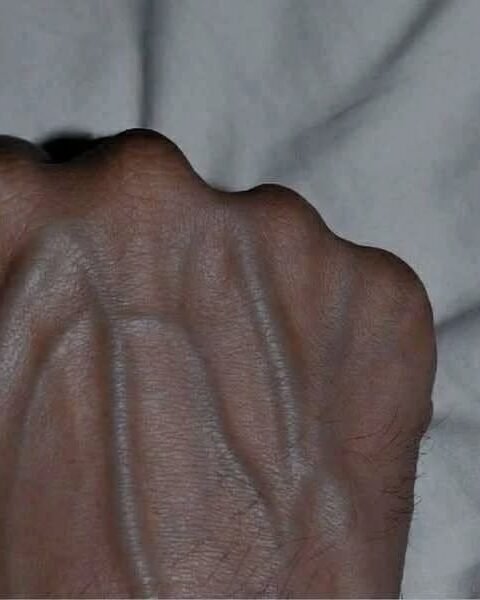
In reality, having visible veins is rarely a sign of a single, uniform medical condition. Instead, how noticeable your veins are usually depends on a combination of completely normal, everyday factors:
-
Low Body Fat and High Muscle Mass: If there is less subcutaneous fat (the fat right under the skin) cushioning your muscles, your veins naturally sit closer to the surface and are easier to see.
-
Genetics and Skin Tone: Some people naturally have thinner, more translucent skin or inherited vascular patterns that make their veins stand out more, regardless of their fitness level.
-
Exercise and Heat: When you work out, your body pumps more blood to your muscles, causing veins to dilate temporarily. Warm weather does the exact same thing to help your body cool down.
-
Aging: As people get older, skin naturally loses elasticity and thinned collagen, which often makes superficial veins more prominent.
When to pay attention:
While most visible veins are completely harmless, you should talk to a doctor or vascular specialist if your veins become bulging, twisted, rope-like, or painful, or if they are accompanied by swelling, skin discoloration, or a persistent throbbing in your legs (which can be signs of conditions like varicose veins or chronic venous insufficiency).
Were you looking into a specific claim about what visible veins supposedly mean?