Your Legs Are Saying “Pay Attention”: 5 Possible Signs of Liver Problems
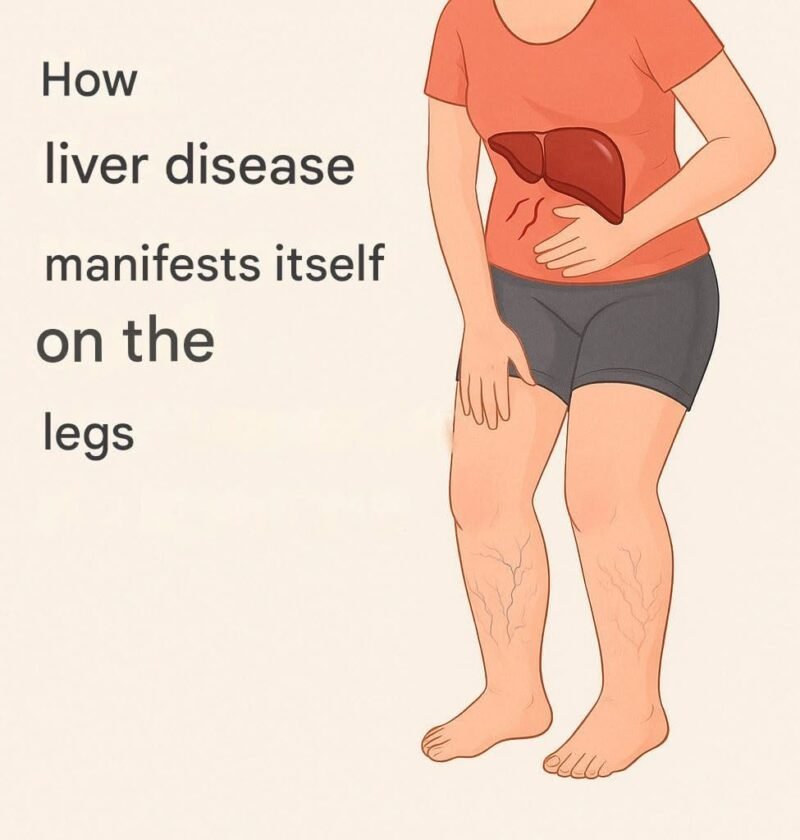
Leg symptoms can have many causes, including circulation problems, medications, kidney disease, and heart conditions. However, advanced liver disease can sometimes cause changes in the legs and feet.
1. Swollen Legs or Ankles
Fluid can build up in the legs and feet when liver disease becomes advanced. This swelling is called edema. (nhs.uk)
2. A Heavy or Tight Feeling
Swelling from fluid retention may make the legs feel heavy, tight, or uncomfortable. However, these symptoms are not specific to liver disease and can have several other causes.
3. Muscle Loss or Weakness
Advanced liver disease can be associated with muscle wasting and weakness. (nhs.uk)
4. Easy Bruising or Bleeding
Serious liver disease can affect the body’s ability to make proteins involved in blood clotting, which may contribute to easier bruising or bleeding. (mayoclinic.org)
5. Swelling in the Legs Along With Other Symptoms
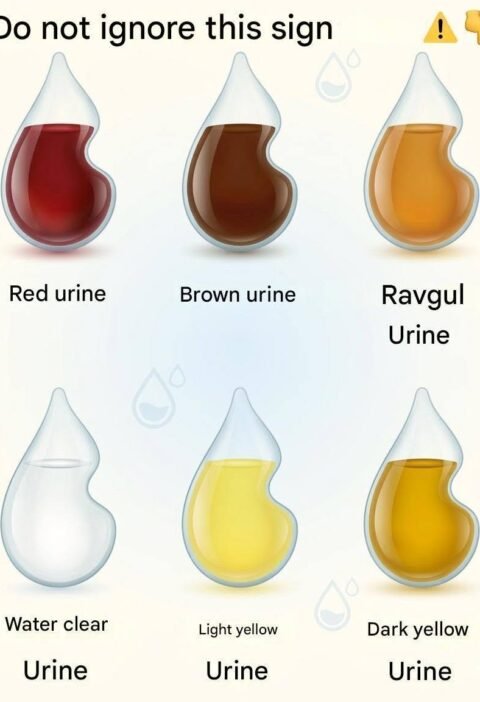
Leg swelling is more concerning when it occurs together with yellowing of the skin or eyes, abdominal swelling, itchy skin, dark urine, unusual tiredness, or confusion. These can occur with significant liver disease. (mayoclinic.org)
Important: Don’t Blame Everything on the Liver
Swollen legs are common and can result from many conditions, including heart or kidney disease, vein problems, certain medicines, or simply sitting or standing for long periods. (mayoclinic.org)
If leg swelling is persistent or unexplained, speak with a healthcare professional. Sudden swelling in one leg, especially with pain, or swelling accompanied by chest pain or difficulty breathing, needs urgent medical attention. (mayoclinic.org)
Bottom line: Your legs can sometimes show signs of advanced liver disease, but leg symptoms alone cannot diagnose a liver problem. Looking at the full picture—and getting appropriate medical evaluation—is the safest approach.