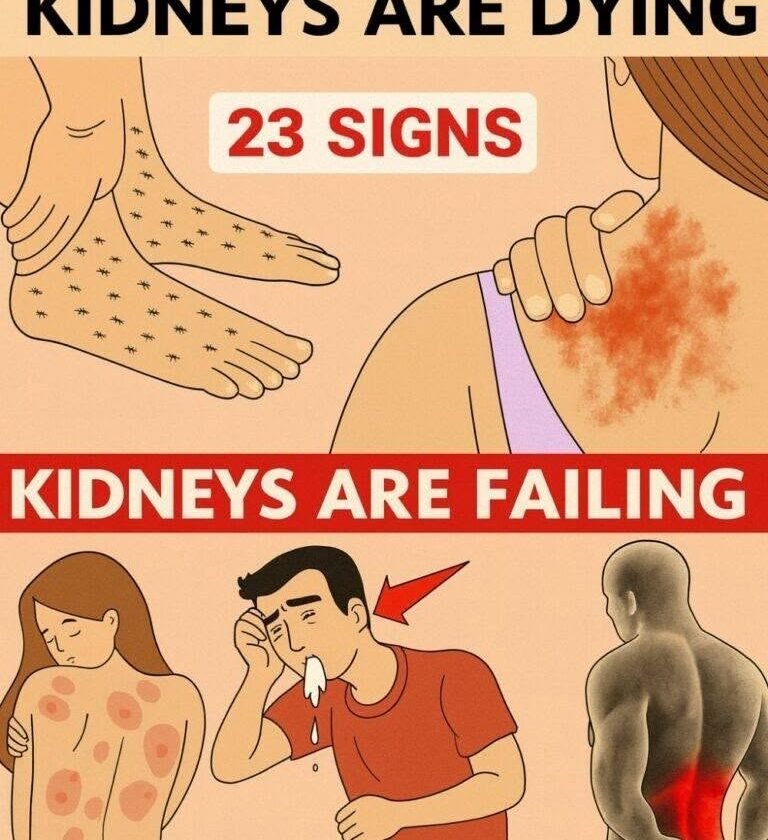
While kidney disease is often called a “silent killer” because it may not cause obvious symptoms until its later stages, declining kidney function can trigger a wide array of unusual or systemic signs throughout the body.
The comprehensive list below covers both common warning indicators and “strange” or lesser-known signs that your kidneys may be struggling to filter waste, balance electrolytes, or regulate fluids:
—
### Urinary Changes
1. **Foamy or Bubbly Urine:** Excess protein (albumin) leaking into the urine creates a froth that looks like scrambled eggs and often requires multiple flushes.
2. **Blood in the Urine (Hematuria):** Damaged filters let blood cells leak out, turning urine pink, brown, or red.
3. **Nocturia (Frequent Nighttime Urination):** Needing to get up multiple times through the night often happens when the kidneys’ concentrating ability drops.
4. **Changes in Volume:** Producing much more or much less urine than usual, or feeling sudden pressure with difficulty urinating.
### Fluid Balance & Swelling (Edema)
5. **Periorbital Puffiness:** Swelling or bags around the eyes, particularly noticeable in the morning, caused by protein loss in the urine.
6. **Swollen Extremities:** Fluid and sodium retention leading to puffiness in the ankles, feet, legs, or hands.
7. **Shortness of Breath:** Can result from fluid backing up into the lungs or from kidney-related anemia.
### Skin, Hair, and Nail Anomalies
8. **Intense, Deep Itching (Pruritus):** A persistent, deep-seated itch driven by waste buildup (uremia) and mineral imbalances (phosphorus and calcium).
9. **Discolored “Half-and-Half” Nails:** Fingernails where the bottom half appears white and the top half looks dark or reddish-brown (Lindsay’s nails), commonly seen in chronic kidney disease.
10. **Uremic Frost:** In advanced, untreated kidney failure, urea can crystallize on the skin via sweat, leaving a fine, powdery white residue.
11. **Calcinosis Cutis:** Small, painful, or painless white calcium bumps forming under the skin due to mineral imbalances.
12. **Easy Bruising and Dry Skin:** Chronically dry, flaky skin coupled with thin blood vessels that bruise easily.
### Neurological & Sensory Signs
13. **Restless Legs Syndrome (RLS):** An uncontrollable urge to move the legs, frequently experienced by those with advanced kidney issues.
14. **”Brain Fog” and Difficulty Concentrating:** Toxin buildup and anemia starve the brain of optimal oxygen, causing memory lapses and confusion.
15. **Metallic Taste in the Mouth:** A buildup of waste products (uremia) can change how food tastes—often making meat unappealing—and leave a metallic or chemical flavor.
16. **Ammonia or “Uremic” Breath:** Bad breath caused by waste products accumulating in the saliva.
### Musculoskeletal & Systemic Symptoms
17. **Muscle Cramps:** Electrolyte disturbances (such as abnormal calcium, phosphorus, or sodium levels) disrupt nerve and muscle signaling, triggering painful cramps—especially in the legs.
18. **Bone Pain and Osteoporosis:** Poor regulation of calcium and phosphorus, alongside failing vitamin D activation, can weaken bones over time.
19. **Constant Fatigue and Weakness:** Kidneys produce EPO (erythropoietin), a hormone that signals the body to make red blood cells. When function drops, anemia sets in, causing profound exhaustion.
20. **Feeling Constantly Cold:** Anemia can make you feel chilled even when sitting in a warm room.
21. **Loss of Appetite and Nausea:** Toxin accumulation can upset the stomach, leading to sudden food aversions, nausea, and unintended weight loss.
22. **Unexplained High Blood Pressure:** The kidneys help regulate blood pressure; when they are damaged, they can paradoxically cause or worsen hypertension, creating a dangerous cycle.
23. **Calcified Arteries on X-rays:** Advanced mineral and bone disorders can cause calcium deposits to manifest structurally in blood vessel walls.
—
> ⚠️ **Note:** Many of these signs overlap with other common conditions (like diabetes, thyroid issues, or simple dehydration). If you are experiencing persistent or multiple unusual symptoms, a simple routine blood test (checking serum creatinine and eGFR) and a urine albumin test from your doctor can quickly evaluate your kidney health.
Are you or someone you know currently experiencing any specific symptoms that prompted you to look into this?