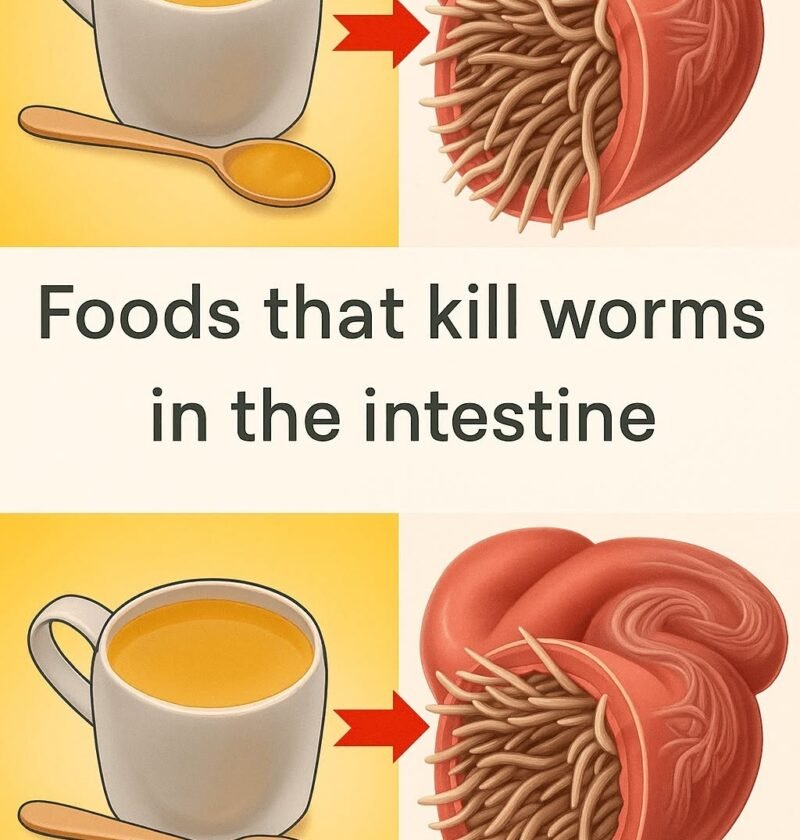
While certain foods and natural remedies have traditional and studied properties that help create an unfavorable environment for intestinal parasites—or assist in stunning and expelling them—they cannot replace clinical medical treatment (such as prescribed anthelmintic medications) if you have a confirmed parasitic infection.
Incorporating functional, nutrient-dense foods into your diet can support gut health and natural defense mechanisms. Seven foods commonly highlighted for their anti-parasitic properties include:
1. Raw Garlic
-
How it helps: Garlic contains powerful sulfur-rich compounds, most notably allicin, which possess well-documented antimicrobial, antibacterial, and anti-parasitic properties.
-
Best usage: Eating garlic raw maximizes allicin availability, though lightly crushed or minced garlic in cooking still provides digestive and immune benefits.
2. Pumpkin Seeds (Pepitas)
-
How it helps: Pumpkin seeds contain an amino acid called cucurbitacin, which has a paralyzing effect on certain intestinal worms (like tapeworms and roundworms), preventing them from holding onto the intestinal walls so they can be flushed out.
-
Best usage: Snack on raw, unsalted pumpkin seeds, or grind them into a powder to mix into smoothies.
3. Papaya and Papaya Seeds
-
How it helps: Papaya contains a powerful proteolytic (protein-digesting) enzyme called papain. Papain can help break down the outer protein structures of parasites and their eggs. The seeds possess a sharp, peppery compound that has traditionally been used to clear intestinal worms.
-
Best usage: Eat the ripe fruit or blend a few of the peppery seeds directly into smoothies or dressings.
4. Coconut (and Coconut Oil)
-
How it helps: Coconuts are rich in medium-chain fatty acids (like lauric acid and caprylic acid), which break down into compounds that exhibit strong anti-parasitic, antibacterial, and antifungal properties.
-
Best usage: Incorporate virgin coconut oil into cooking or consume fresh coconut meat.
5. Pineapple
-
How it helps: Similar to papaya, fresh pineapple contains bromelain, a digestive enzyme mixture that helps break down proteins. Bromelain creates a hostile digestive environment for certain parasites and helps reduce gut inflammation.
-
Best usage: Eat fresh, ripe pineapple (ideally the core, where bromelain is most concentrated) rather than canned versions loaded with added sugars, which can feed unwanted gut microbes.
6. Pomegranate
-
How it helps: Pomegranate bark, rind, and seeds contain high levels of bioactive alkaloids (such as punicine) and potent antioxidants that have traditional and experimental backing for expelling tapeworms and other intestinal invaders.
-
Best usage: Enjoy fresh pomegranate arils or drink 100% pure, unsweetened pomegranate juice.
7. Probiotic-Rich Fermented Foods
-
How it helps: Foods like kefir, unflavoured yogurt, sauerkraut, and kimchi do not directly “kill” worms, but they flood your gut with beneficial bacteria. A strong, diverse microbiome crowds out pathogens, repairs gut lining damage, and fortifies your immune system’s ability to fend off infections.
Important Medical Note: If you suspect you have an intestinal parasite—especially if you are experiencing symptoms like unexplained weight loss, severe abdominal pain, persistent gastrointestinal changes, or visible worms in stool—it is vital to consult a healthcare provider for proper diagnosis and targeted medical treatment