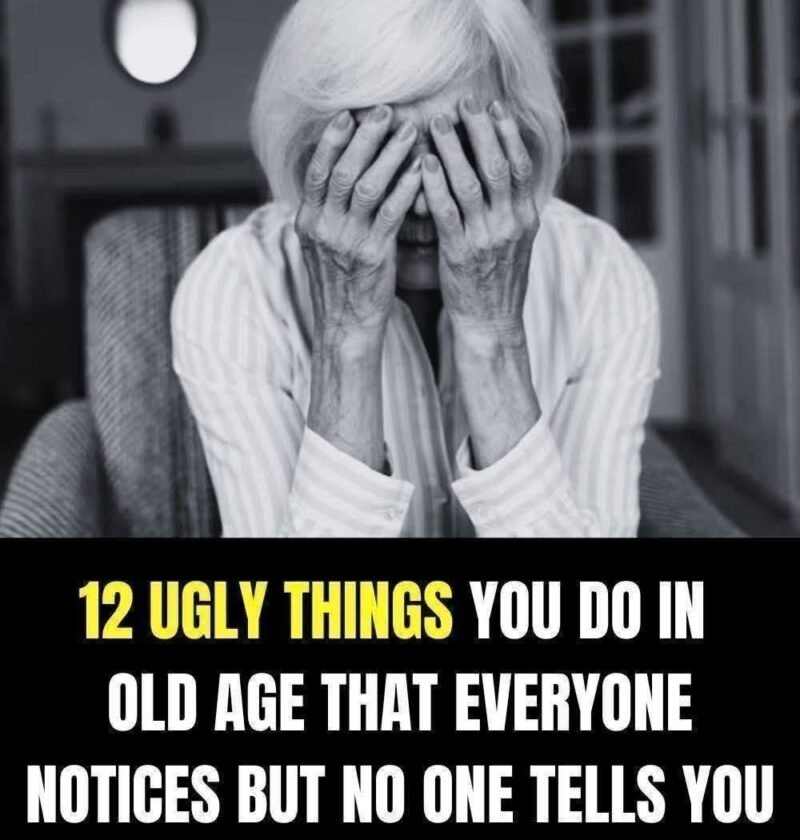
Articles or videos with sensational titles like “12 nasty things you do in old age that everyone notices, but no one dares to tell you” usually tap into universal anxieties about aging, hygiene, and social etiquette. While they often exaggerate for clickbait, they touch on real changes that can happen as people grow older.
As physical senses, mobility, and cognitive functions shift over time, certain everyday habits can change without a person realizing it. Here is a look at the realities behind these common social and personal observations:
### 1. Shifts in Sensory Awareness (Smell and Taste)
* **The Reality:** One of the most common reasons older adults might experience hygiene blind spots is a natural decline in the sense of smell (olfactory function) and taste as they age.
* **Why it happens:** Just like eyesight and hearing, your sense of smell weakens over time. Someone might not notice that their clothes need washing, that their house has a stale odor, or that they’ve used too much (or too little) of a personal care product simply because their nose doesn’t detect it the way it used to.
### 2. Changes in Personal Hygiene and Grooming
* **The Reality:** Articles of this type often point out skipped showers, wearing unwashed clothes, or unkempt hair.
* **Why it happens:** Bathing can become physically exhausting, hazardous (due to slip-and-fall risks in slick tubs), or painful for individuals with arthritis, joint stiffness, or fatigue. What might look like carelessness is often a physical barrier or a loss of stamina.
### 3. Dental and Oral Health Changes
* **The Reality:** Comments about bad breath or unmanaged dental hygiene are frequently highlighted.
* **Why it happens:** Salivary gland function often decreases with age (leading to dry mouth), and various medications can cause dry mouth as a side effect. Reduced saliva significantly increases plaque buildup, gum disease, and persistent bad breath, making standard brushing and flossing extra challenging.
### 4. Home Maintenance and Clutter
* **The Reality:** Living spaces becoming overly cluttered, dusty, or uncleaned are common tropes.
* **Why it happens:** Decluttering and deep cleaning require physical agility, bending, and energy that may diminish with age. Furthermore, hoarding tendencies or a deep attachment to belongings can sometimes intensify later in life, making it difficult to discard items.
### 5. Social Etiquette and “No-Filter” Communication
* **The Reality:** Older individuals are sometimes perceived as overly blunt, interrupting, or making socially awkward remarks.
* **Why it happens:** As people age, the brain’s prefrontal cortex—which governs impulse control and social filtering—can experience natural wear. This can lead to a “no filter” effect, where thoughts are spoken aloud without the careful censoring used by younger adults.
### Why People “Don’t Dare Tell You”
Out of respect, politeness, or fear of embarrassing an older relative, friend, or neighbor, people often hesitate to point out these changes. Instead of harsh criticism, these situations usually call for gentle empathy, offering practical help (like a bathroom safety bar, help with deep cleaning, or a friendly reminder about dental checkups), and remembering that aging affects everyone differently.