💅 Weak or Brittle Nails: What Your Body May Be Trying to Tell You
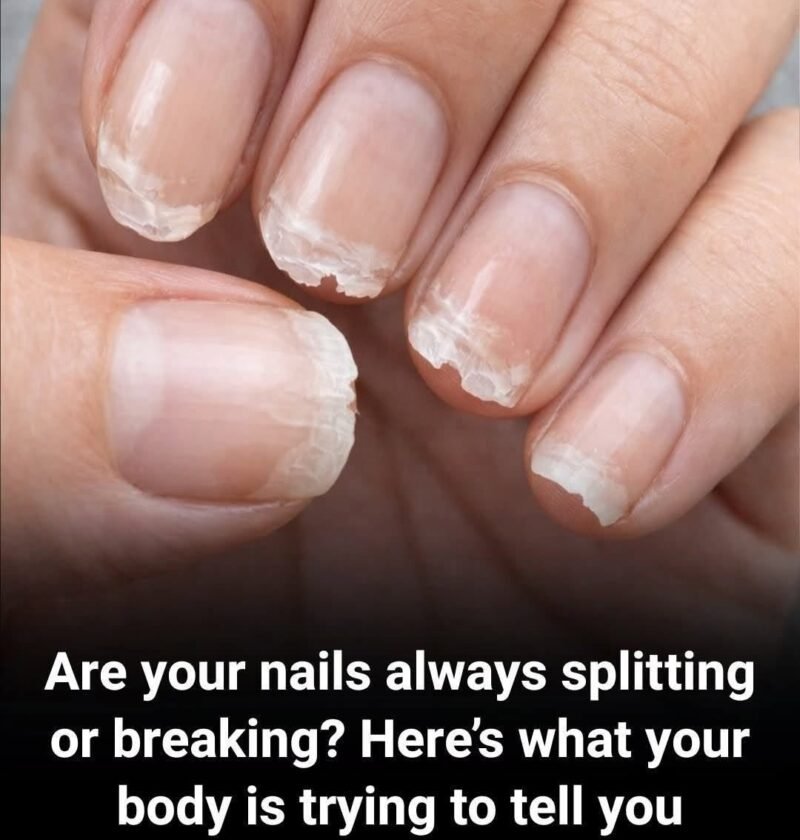
Weak, splitting, or brittle nails are common. Sometimes they result from everyday wear and tear, but occasionally they can be associated with nutritional deficiencies or an underlying health condition.
Here are 7 possible reasons your nails are becoming weak or brittle.
1. Iron deficiency
Other possible signs include fatigue, pale skin, dizziness, and shortness of breath.
2. Not getting enough nutrients
What helps: Eat a balanced diet with eggs, beans, lentils, nuts, vegetables, and other protein-rich foods.
3. Frequent exposure to water and cleaning products
What helps: Wear protective gloves for cleaning and moisturize your hands and nails regularly.
4. Thyroid problems
A clinician can determine whether thyroid testing is appropriate.
5. Aging and natural nail changes
Sudden changes, significant discoloration, or pain deserve closer attention.
6. Fungal nail infections
7. Skin conditions such as psoriasis or eczema
🌿 How to make your nails stronger
Apply petroleum jelly or a thick hand cream to your nails and cuticles, particularly after washing your hands.
Trim them regularly and gently file rough edges in one direction.
Limit gel manicures, acrylic nails, aggressive buffing, and frequent acetone use.
Iron and high-dose biotin are not appropriate for everyone. Iron can be harmful in excess, and biotin can interfere with certain laboratory tests.
When should you see a doctor?
Seek medical advice if brittle nails persist despite basic care, or if you notice new spoon-shaped nails, marked discoloration, swelling, pain, or nail separation. A clinician may recommend blood tests based on your symptoms and medical history.
One important question: What exactly is happening to your nails?
2. How long has this been happening?
3. Do you have other symptoms?
Help me understand my nail changes