What Is Normal Blood Pressure at Each Age?
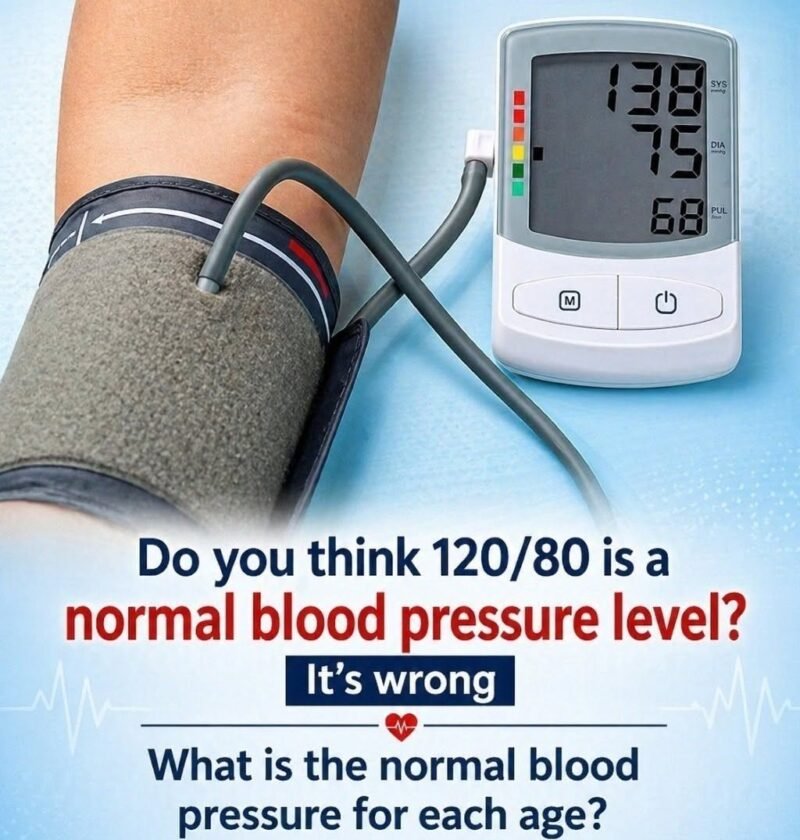
Blood pressure is measured using two numbers, such as 120/80 mmHg.
-
Systolic (top number): Pressure in your arteries when your heart beats.
-
Diastolic (bottom number): Pressure when your heart relaxes between beats.
Blood pressure changes with age, activity, and health conditions. However, there is an important distinction: for adults, the healthy blood pressure target generally does not increase simply because you get older. Children have different ranges depending on age, sex, and height.
Blood pressure chart for adults by age
The following chart uses standard adult blood pressure categories. These are health assessment ranges, not separate age-specific targets.
| Age group | Normal blood pressure | High blood pressure |
|---|---|---|
| 18–29 years | Below 120/80 | 130/80 or higher |
| 30–39 years | Below 120/80 | 130/80 or higher |
| 40–49 years | Below 120/80 | 130/80 or higher |
| 50–59 years | Below 120/80 | 130/80 or higher |
| 60–69 years | Below 120/80 | 130/80 or higher |
| 70–79 years | Below 120/80 | 130/80 or higher |
| 80+ years | Below 120/80 | 130/80 or higher |
Note: Under US guidelines, high blood pressure is classified in stages. Either number can place you in a higher category.
What your blood pressure numbers mean
| Blood pressure | Category |
|---|---|
| Below 120/80 | Normal |
| 120–129 and below 80 | Elevated |
| 130–139 or 80–89 | Stage 1 high blood pressure |
| 140 or higher, or 90 or higher | Stage 2 high blood pressure |
| Above 180 and/or above 120 | Severely high; requires prompt attention |
What about children?
Children’s normal blood pressure depends on their age, sex, and height, so the adult chart should not be used for them.
When should you seek medical help?
-
If your readings repeatedly reach 130/80 or higher, discuss them with a healthcare professional.
-
If your reading is above 180/120, wait at least one minute and measure again. If it remains that high, seek immediate medical advice. If you also have chest pain, shortness of breath, weakness, vision changes, or difficulty speaking, seek emergency care.
Tell me your age and your latest blood pressure reading (for example, 145/90), and I can help you understand what it means.