8 Habits to Reconsider If You Take Amlodipine—and Why
Amlodipine is commonly used to lower blood pressure and treat certain forms of angina. You don’t need to completely change your lifestyle while taking it, but some habits can make side effects or blood-pressure control more difficult.
-
Don’t stop amlodipine suddenly or skip doses regularly. Take it as prescribed rather than changing the dose yourself.
-
Don’t routinely eat excessive amounts of salty food. High sodium intake can work against blood-pressure control.
-
Don’t ignore persistent ankle or leg swelling. Swollen ankles are a recognized side effect of amlodipine. Persistent or troublesome swelling should be discussed with your clinician. Kiwix Server+1
-
Don’t overdo alcohol. Alcohol can contribute to dizziness or low blood pressure, and it may worsen some amlodipine side effects. Kiwix Server
-
Don’t ignore dizziness. If you feel dizzy, sit or lie down until it passes and avoid driving or operating machinery while affected. Kiwix Server
-
Don’t assume every new medication is automatically compatible. Some medicines—including certain strong CYP3A inhibitors—can increase amlodipine exposure. Tell your doctor or pharmacist about prescription medicines, over-the-counter drugs, and supplements. DailyMed
-
Don’t exceed the recommended dose of simvastatin if you take it alongside amlodipine. The current prescribing information recommends limiting simvastatin to 20 mg daily when used with amlodipine. DailyMed
-
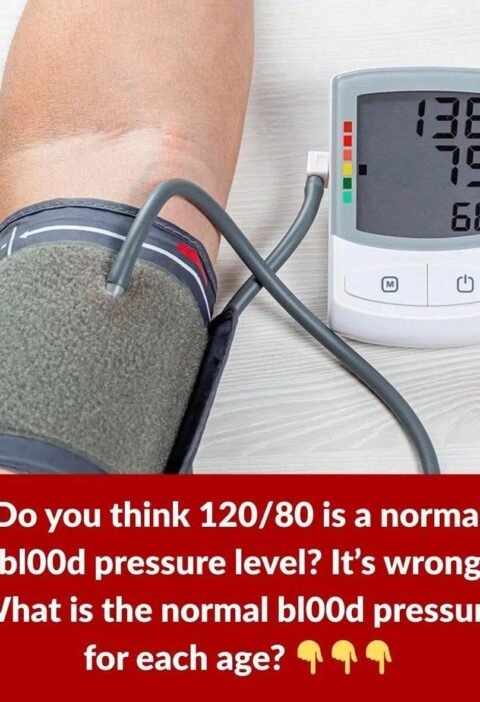
Don’t rely solely on how you feel to judge your blood pressure. High blood pressure often causes no obvious symptoms. Keep taking prescribed treatment and monitor your blood pressure as recommended.
One common misconception
Grapefruit does not appear to significantly affect amlodipine exposure, according to the prescribing information, so it isn’t necessary to automatically eliminate grapefruit solely because you’re taking amlodipine. However, grapefruit can interact with many other medicines, so medication-specific advice is important. DailyMed
If you develop fainting, severe chest pain, serious breathing difficulty, or a severe allergic reaction, seek urgent medical care.