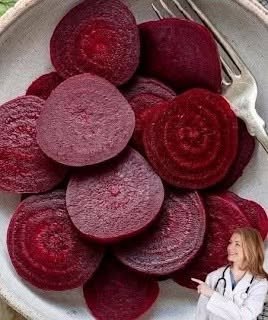
The beetroot advantage: what actually happens when you eat beets
Beetroot can be a healthy addition to your diet, but some online claims about it—such as “detoxing the blood,” curing disease, or killing cancer cells—go well beyond the evidence.
🥗 1. It can support blood-pressure control
Beets are rich in dietary nitrates. Your body can convert nitrates into nitric oxide, which helps blood vessels relax and widen. Studies of beetroot juice have found modest reductions in blood pressure, particularly systolic pressure, although the effect varies between people.
🏃 2. It may improve exercise performance
The nitric-oxide pathway can also improve exercise efficiency. Beetroot/nitrate supplementation has been studied particularly in endurance exercise, where it may modestly improve performance in some people.
❤️ 3. It’s a nutritious food
Beets provide folate, potassium, fiber, and other plant compounds, while being relatively low in calories. Eating whole beets also provides fiber that you don’t get from some concentrated beetroot juices.
🚽 4. Your urine or stool may turn red
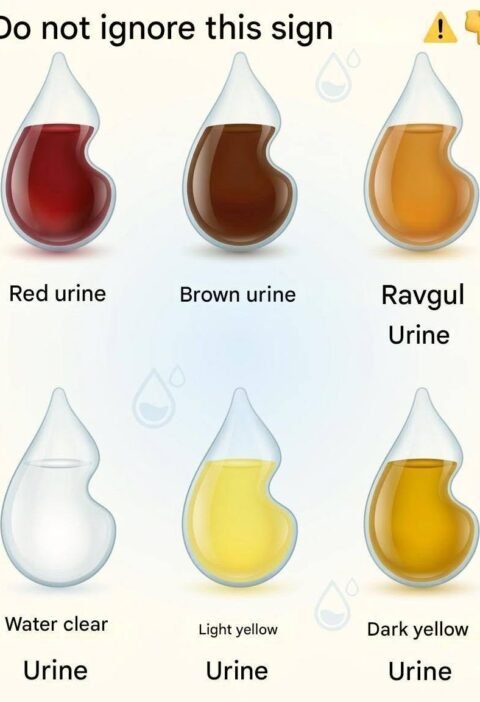
Don’t panic if you notice pink/red urine or reddish stool after eating beets. This phenomenon, called beeturia, can happen because of beet pigments and isn’t necessarily blood. If you’re unsure whether you’re seeing blood, however, get it checked rather than assuming it’s from beets.
⚠️ 5. Be cautious if you have kidney stones
Beets are relatively high in oxalates. People who have had calcium-oxalate kidney stones may be advised to moderate high-oxalate foods depending on their individual situation.
Bottom line
Adding whole beetroot to a balanced diet can provide useful nutrients and dietary nitrates. Think of it as a nutritious food—not a medicine or “miracle cure.” Beetroot juice can be quite concentrated, so drinking large quantities isn’t necessarily better.
If you want, I can also explain what happens when you drink beetroot juice every day for 30 days , including potential benefits and side effects.