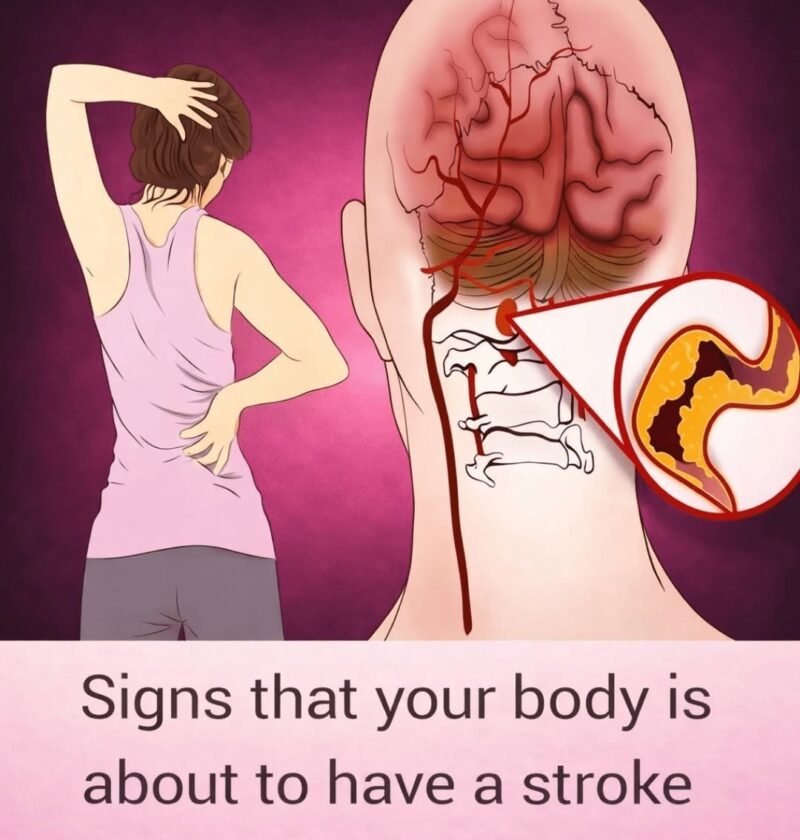
A stroke is a medical emergency that occurs when blood flow to a part of the brain is blocked or a blood vessel bursts, starving brain cells of oxygen. Because brain tissue begins to die within minutes, recognizing the warning signs and acting immediately can mean the difference between full recovery, long-term disability, or loss of life.
Here are 10 critical stroke warning signs everyone should know, followed by why the FAST acronym is the golden rule of emergency response:
The 10 Warning Signs of a Stroke
1. Sudden Facial Droop or Numbness
-
What It Looks Like: One side of the face suddenly drops or feels numb. When the person tries to smile, the smile is uneven or lopsided.
2. Sudden Weakness or Numbness in One Arm or Leg
-
What It Looks Like: A sudden loss of strength or numbness, typically affecting only one side of the body. If the person tries to raise both arms, one drifts downward.
3. Sudden Speech Difficulties or Slurring
-
What It Looks Like: Words become slurred, speech sounds garbled, or the person has sudden difficulty finding the right words or understanding simple sentences spoken to them.
4. Sudden Confusion or Disorientation
-
What It Looks Like: An abrupt change in mental state, sudden trouble comprehending what is happening around them, or difficulty answering basic questions.
5. Sudden Vision Changes in One or Both Eyes
-
What It Looks Like: A sudden darkening, blurring, double vision, or complete loss of sight in one or both eyes that comes on without warning.
6. Sudden Severe, “Thunderclap” Headache
-
What It LooksLike: An intensely painful, blinding headache that hits with absolute suddenness—often described as “the worst headache of my life”—which can signal a hemorrhagic stroke (bleeding in the brain).
7. Sudden Trouble Walking, Dizziness, or Loss of Balance
-
What It Looks Like: An abrupt loss of coordination, unsteadiness, or feeling as though the room is violently spinning, making it impossible to walk straight.
8. Sudden Difficulty Swallowing (Dysphagia)
-
What It Looks Like: A sudden, unexplained inability to swallow saliva, water, or food, often accompanied by drooling.
9. Sudden Memory Lapses or Cognitive Fog
-
What It Looks Like: An abrupt inability to recall recent events, recognize familiar surroundings, or process basic thoughts.
10. Sudden Unexplained Nausea and Vomiting
-
What It Looks Like: Particularly common in strokes affecting the brainstem, sudden, intense dizziness paired with nausea and vomiting can occur without any digestive cause.
Why Acting FAST Matters
When a stroke occurs, nearly 2 million brain neurons die every minute. Emergency physicians rely on the FAST test to quickly spot the most common stroke indicators and urge immediate action:
-
F — Face Drooping: Does one side of the face droop, or is it numb?
-
A — Arm Weakness: Is one arm weak or numb? If the person tries to raise both, does one drift downward?
-
S — Speech Difficulty: Is speech slurred, are they unable to speak, or are they hard to understand?
-
T — Time to Call 911: If you observe any of these signs—even if they go away—call emergency services immediately and note the exact time the symptoms first appeared.
⚠️ The Clot-Busting Window:Time is brain tissue. Clot-dissolving medications (like tPA) and endovascular procedures to physically remove a blood clot must be administered within a very narrow time window (typically within 3 to 4.5 hours of symptom onset) to be maximally effective. Never wait to “see if it passes.”