If you’re turning that into a food-safety headline, I’d soften “stop eating it immediately” because cracks inside a watermelon don’t automatically mean it’s unsafe.
🍉 Cut Open a Watermelon and Found Cracks Inside? Don’t Panic—Here’s What It Really Means
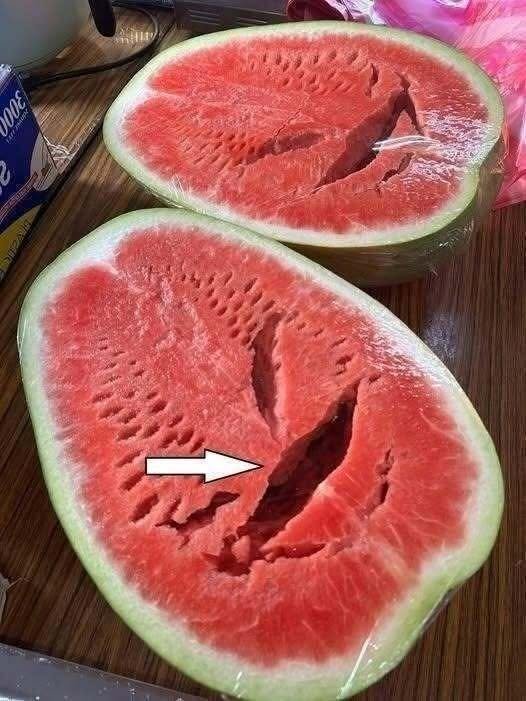
You slice into a watermelon expecting juicy, bright-red flesh… and instead find cracks or hollow-looking gaps inside. 😳
What causes them?
-
Hollow heart: Gaps or cracks near the center can develop as the fruit grows rapidly.
-
Internal cracking: Fluctuations in water availability during growth can contribute to cracks in the flesh.
-
Texture changes: Some affected melons may have softer or less appealing flesh, even though the fruit isn’t necessarily dangerous.
🚨 When should you throw it away?
Don’t eat the watermelon if it has mold, a sour or fermented smell, slimy flesh, unusual discoloration, or other obvious signs of spoilage. When in doubt, discard it.
Bottom line: Internal cracks alone aren’t proof that a watermelon is poisonous or unsafe—but they can be a sign of a quality problem. 🍉
If you’d like, I can also turn this into a viral-style “5 watermelon warning signs” post while keeping the food-safety claims accurate.