Dry Mouth Is Not Aging — What’s Really Happening?
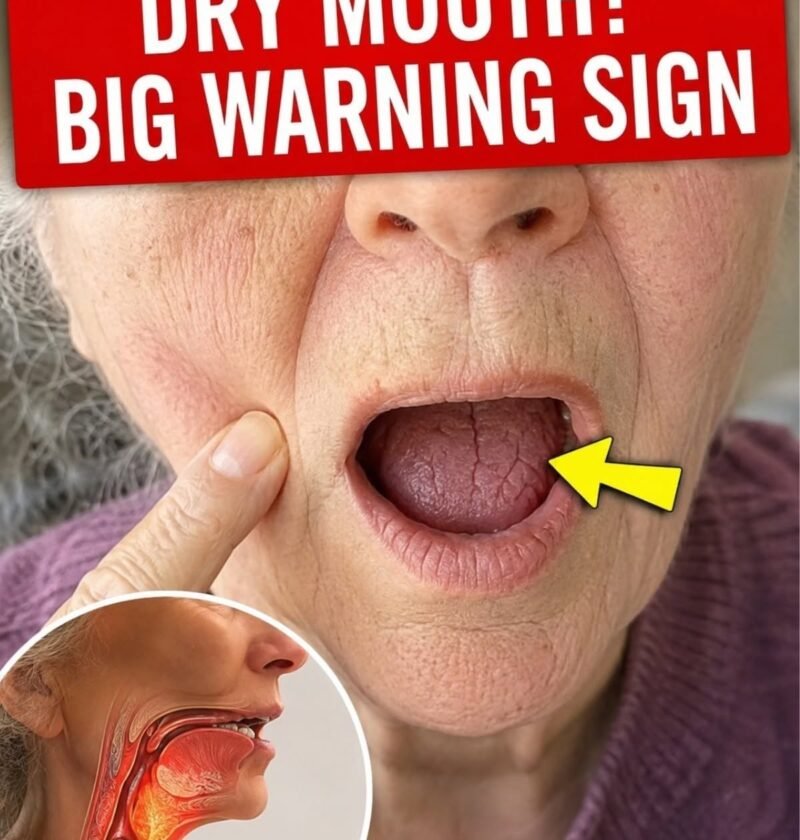
Dry mouth, medically called xerostomia, is the feeling that your mouth doesn’t have enough saliva. It can become more common as people get older, but dry mouth is not considered a normal or inevitable part of aging.
Saliva does much more than keep your mouth comfortable. It helps:
-
Lubricate the mouth so you can speak and swallow comfortably.
-
Begin the digestion of food.
-
Protect teeth by helping neutralize acids and wash away food particles.
-
Support the tissues inside the mouth.
-
Make it easier to taste and chew food.
Why can saliva decrease?
One of the most common causes is medication. Hundreds of medicines can contribute to dry mouth, including some used for allergies, depression, blood pressure, pain, and other conditions.
Other possible causes include:
-
Dehydration or inadequate fluid intake
-
Breathing through the mouth, particularly during sleep
-
Smoking or tobacco use
-
Anxiety or prolonged stress
-
Diabetes and some other medical conditions
-
Certain autoimmune disorders that affect salivary glands
-
Radiation treatment involving the head or neck
-
Problems affecting the salivary glands or their function
So when someone develops persistent dry mouth, it is worth asking why rather than simply assuming, “I’m getting older.”
Signs to pay attention to
Dry mouth may cause more than thirst. You might notice:
-
A sticky or dry feeling in the mouth
-
Difficulty swallowing dry foods
-
Frequent thirst
-
Cracked lips or a dry tongue
-
Bad breath
-
Changes in taste
-
More cavities or tooth decay
-
Mouth soreness or recurrent oral infections
What can help?
Drinking water regularly, limiting tobacco and excessive alcohol, using sugar-free gum or lozenges to stimulate saliva, and maintaining good dental hygiene can help some people. If a medication seems responsible, don’t stop it on your own—ask your doctor or pharmacist whether an alternative or adjustment is appropriate.
Persistent or severe dry mouth should be discussed with a dentist or healthcare professional, especially if it is accompanied by difficulty swallowing, significant dental problems, mouth sores, or other unexplained symptoms.
Bottom line: Aging can be associated with changes in oral health, but persistent dry mouth deserves attention. It may be a sign of medication effects, dehydration, mouth breathing, or an underlying condition—not simply “normal aging.”