Creatinine is a waste product generated by normal muscle breakdown that your kidneys filter out of your blood. When your kidneys begin to struggle, creatinine builds up in the bloodstream.
Because the kidneys are remarkably resilient, they can lose a significant amount of function before severe symptoms appear. Early or mildly elevated creatinine levels often masquerade as everyday fatigue or minor discomforts, making them easy to dismiss.
Subtle Signs of Kidney Strain and Rising Creatinine
-
Changes in Urination Frequency (Especially at Night)
-
What happens: You may find yourself waking up multiple times during the night to urinate (a condition called nocturia).
-
Why: As the kidneys’ filtering capacity starts to decline, they lose their ability to concentrate urine properly, leading to increased output.
-
-
Foamy or Bubbly Urine
-
What happens: Urine that looks excessively frothy, requiring you to flush multiple times.
-
Why: This often points to proteinuria (albumin leaking into the urine), an early warning sign that the microscopic filters in your kidneys (glomeruli) are becoming damaged.
-
-
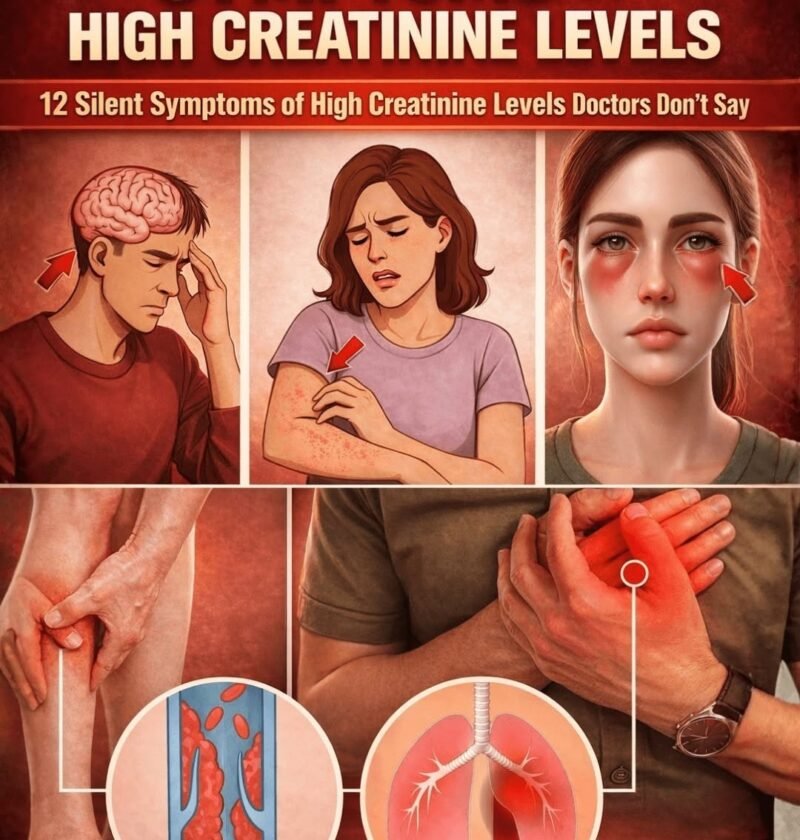
Puffy Eyes and Swollen Ankles (Edema)
-
What happens: Mild fluid retention that causes puffiness around your eyes in the morning, or tight-fitting socks and shoes by the end of the day.
-
Why: When kidneys cannot efficiently remove extra sodium and fluid, water accumulates in the surrounding body tissues.
-
-
Unexplained, Persistent Fatigue
-
What happens: Feeling profoundly exhausted, sluggish, or experiencing “brain fog” despite getting a full night’s sleep.
-
Why: Healthy kidneys produce a hormone called erythropoietin (EPO), which tells your body to make oxygen-carrying red blood cells. Stressed kidneys make less EPO, leading to mild anemia and physical exhaustion.
-
-
Dry, Itchy Skin
-
What happens: Skin that feels persistently irritated, flaky, or intensely itchy.
-
Why: When kidney function drops, the balance of minerals and nutrients (like phosphorus and calcium) in your blood is disrupted, and built-up toxins irritate nerve endings in the skin.
-
-
Frequent Muscle Cramps
-
What happens: Spasms or painful cramping, particularly in the calves and feet, often striking at night.
-
Why: Electrolyte imbalances—such as shifts in calcium, potassium, or sodium—frequently accompany declining kidney filtration.
-
-
Subtle Changes in Appetite or Mild Nausea
-
What happens: Losing your appetite, feeling full too quickly, or experiencing a vague queasiness in the mornings.
-
Why: A buildup of circulating waste products (uremia) can affect your digestive system and alter how food tastes.
-
-
High Blood Pressure (Hypertension)
-
What happens: Blood pressure creeping up or becoming harder to control.
-
Why: The kidneys play a direct role in regulating blood pressure. Damaged blood vessels within the kidneys can both cause and result from high blood pressure, creating a feedback loop.
-
Important Context: High Creatinine Isn’t Always Kidney Disease
While elevated creatinine is a primary marker for kidney stress, it can occasionally spike due to temporary or benign factors:
-
Dehydration: Not drinking enough fluids temporarily concentrates blood waste.
-
High Muscle Mass or Intense Exercise: Heavy weightlifting, recent strenuous workouts, or heavy protein/creatine supplementation can temporarily elevate creatinine without actual kidney damage.
-
Medications: Certain drugs, including routine anti-inflammatories (NSAIDs like ibuprofen), can temporarily impact kidney markers.
Next Steps
If you recently saw an elevated creatinine result on a lab report or are noticing any of these subtle physical changes, the best step is to consult your primary care doctor. They can evaluate your eGFR (Estimated Glomerular Filtration Rate) and order a urine albumin-to-creatinine ratio (uACR) test to get a clear, accurate picture of your kidney health.
Are you looking into this because of a recent blood test result, or have you been noticing any unusual physical symptoms lately?