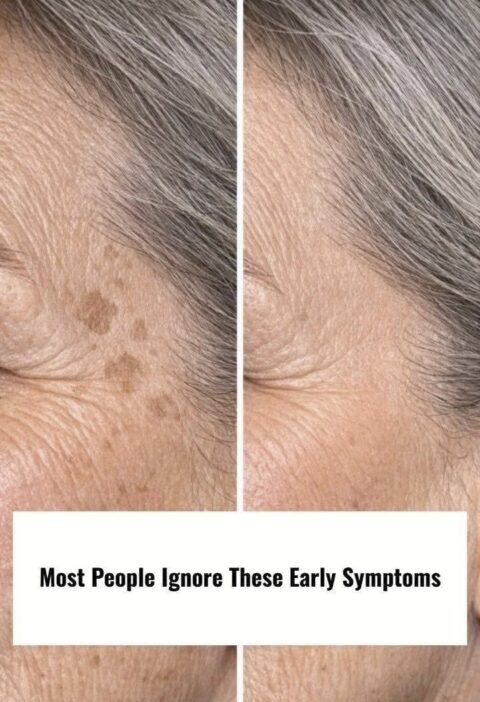
Because the liver plays a critical role in filtering toxins, metabolizing hormones, and regulating blood proteins, when it struggles, your body often sends warning signals through the skin, eyes, and extremities. Because liver disease can progress silently for years, noticing these visible signs early can be crucial.
### 1. Key Visible Signs to Watch For
* **Jaundice (Yellowing Skin and Eyes):** One of the most recognizable signs. It occurs when a waste product called bilirubin builds up in the blood because the liver cannot process it properly. It often appears first in the whites of the eyes and the face before spreading.
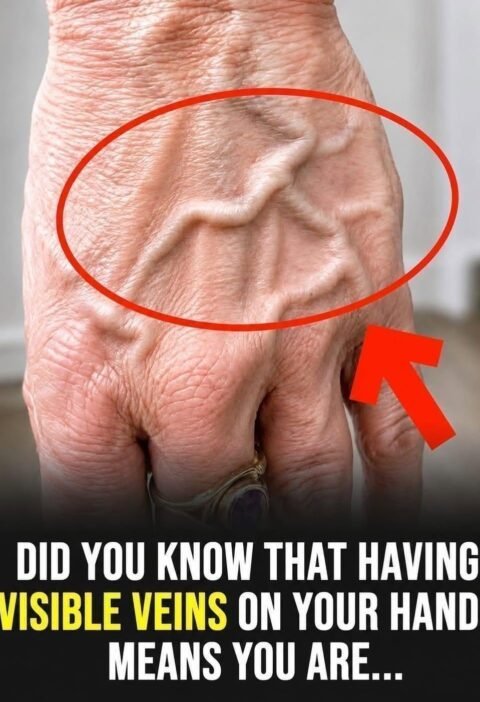
* **Spider Angiomas (Spider Veins):** Tiny, dilated blood vessels that cluster near the surface of the skin, typically featuring a red center with tiny capillaries radiating outward like spider legs. They commonly pop up on the face, neck, and upper trunk due to hormonal shifts.
* **Palmar Erythema (Red Palms):** The palms of the hands—and sometimes the soles of the feet—turn a distinct reddish color, particularly around the outer edges, caused by changes in blood vessel dilation.
* **Persistent Itching (Pruritus):** Unlike a typical allergic rash, liver-related itching is deep and relentless (often worse on the palms and soles). It is triggered by an accumulation of bile salts trapped in the bloodstream.
* **Easy Bruising and Bleeding:** If your skin bruises easily from minor bumps, or if small cuts bleed longer than usual, it can indicate that the liver is failing to produce enough essential blood-clotting proteins.
* **Swelling (Edema and Ascites):** Fluid retention can cause noticeable puffiness or swelling in the lower legs, ankles, feet, and the abdomen, as the liver loses its ability to manufacture vital blood proteins.
* **Nail Changes:** Conditions like *Terry’s nails* (where the nails turn mostly white with a narrow pink band near the tip) or changes in fingertip shape (clubbing) can sometimes reflect long-term circulation and liver issues.
—
### Other Subtle Clues
Alongside physical markers on the skin, liver strain can manifest as dark-colored urine, pale or clay-colored stools, persistent fatigue, and mild upper-right abdominal discomfort.
*Disclaimer: Many of these symptoms can overlap with other common, non-liver-related conditions. However, if you notice persistent or multiple warning signs occurring together, it is important to consult a healthcare professional for proper blood work or imaging.*
Are you or someone you know currently noticing any specific changes, or looking into this for a particular reason?