Weak or Brittle Nails: What Your Body May Be Telling You
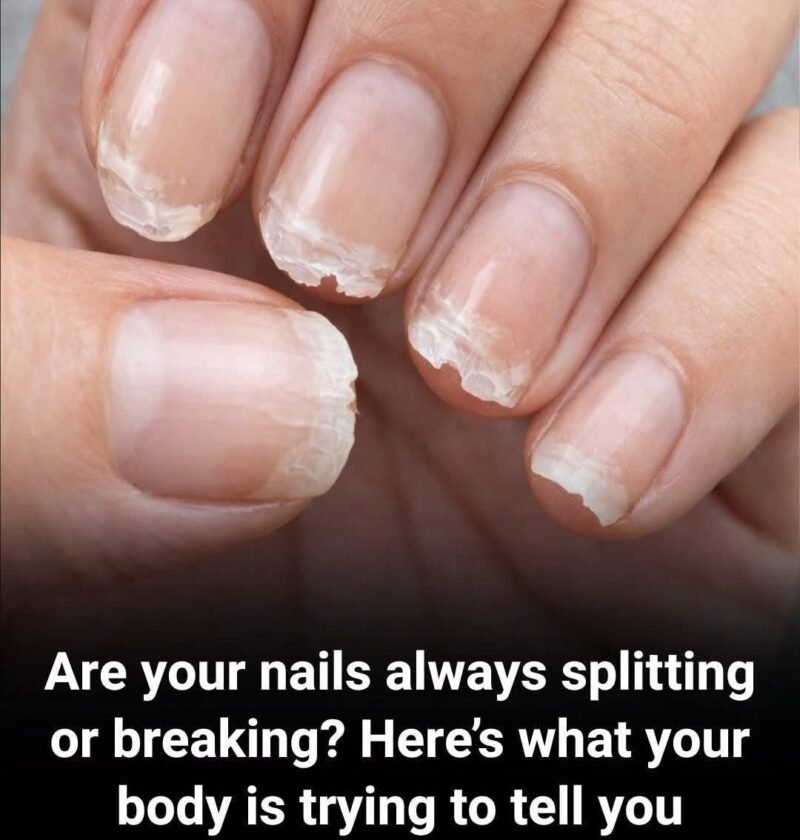
Weak, peeling, or brittle nails are common and often aren’t a sign of a serious disease. Nails can become fragile from everyday exposure to water, detergents, nail polish/removers, trauma, or simply aging. But persistent changes can sometimes point to an underlying nutritional or medical issue.
Common possible causes
-
Frequent water exposure: Repeated wetting and drying can make nails split and peel.
-
Iron deficiency: Can sometimes cause brittle or spoon-shaped nails, particularly when accompanied by fatigue, weakness, or pale skin.
-
Thyroid disorders: Both an underactive and overactive thyroid can affect nail growth and texture.
-
Nutritional deficiencies: Inadequate protein or certain nutrients can contribute, although isolated brittle nails don’t automatically mean you’re deficient.
-
Fungal infection: Nails may become thickened, discolored, crumbly, or distorted rather than simply brittle.
-
Nail products or trauma: Acrylic/gel nails, acetone, aggressive filing, picking, or repeated minor injury can weaken the nail plate.
-
Skin conditions: Conditions such as eczema or psoriasis can affect the nails.
-
Normal aging: Nails generally grow more slowly and may become thinner or more fragile with age.
When it’s worth getting checked
Consider seeing a healthcare professional if the changes are persistent, worsening, painful, or affecting several nails, especially if you also have symptoms such as unusual fatigue, weight changes, hair loss, skin changes, or changes in your general health.
A clinician may examine the nails and, depending on your symptoms and history, consider tests such as a complete blood count or iron studies rather than assuming that a supplement is needed.
What you can do now
-
Keep nails trimmed and gently filed.
-
Wear gloves when washing dishes or using cleaning products.
-
Moisturize your nails and cuticles regularly.
-
Avoid biting, picking, or aggressively buffing the nails.
-
Give your nails a break from frequent gel/acrylic applications if they are becoming damaged.
-
Eat a varied diet containing adequate protein, iron, zinc, and other nutrients rather than taking high-dose supplements without a confirmed need.
One important point: Nail appearance alone usually can’t diagnose a deficiency or disease. The pattern of the nail change, other symptoms, diet, medications, and medical history all matter.