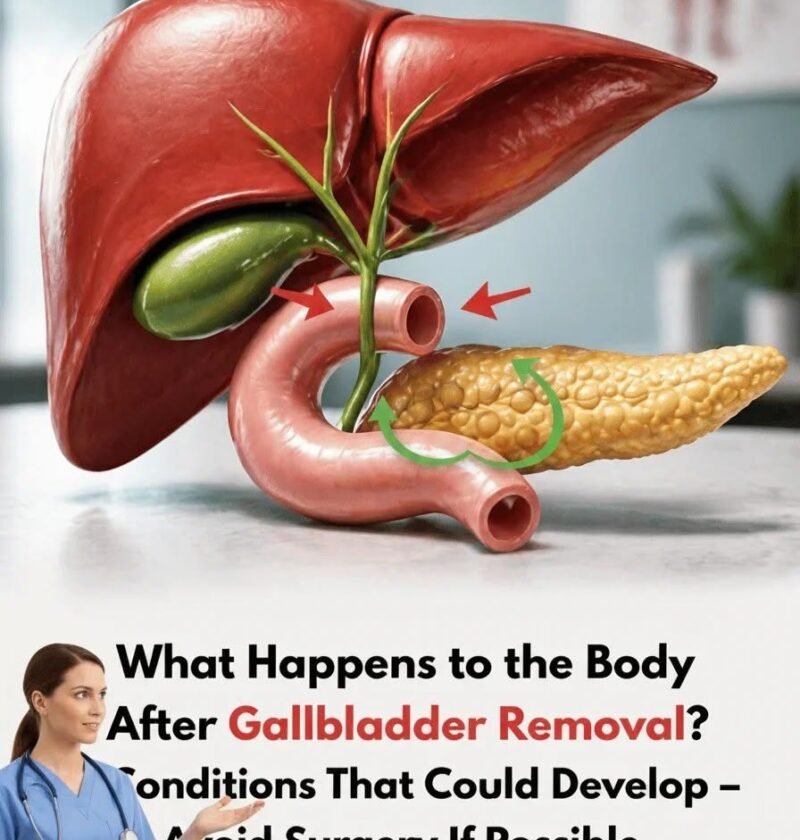
If you’re asking what happens after gallbladder removal (cholecystectomy), the short version is: your body can still digest food normally. The liver keeps making bile, but instead of storing it in the gallbladder, bile flows continuously into the small intestine.
Three possible “nasty surprises” to watch for are:
-
Diarrhea or looser stools — bile reaching the intestine more continuously can cause urgency or diarrhea, especially after fatty meals. This is often temporary, but persistent symptoms can sometimes be treated.
-
Bloating, gas, or indigestion — some people notice increased digestive symptoms during the adjustment period.
-
Bile-related complications — uncommon but important problems include a retained bile-duct stone, bile leak, infection, or pancreatitis. Severe or worsening abdominal pain, fever, jaundice, persistent vomiting, or inability to keep fluids down warrants prompt medical attention.
Most people eventually return to a normal diet, although smaller meals and temporarily limiting very fatty foods can make the transition easier.
If you tell me how long ago your gallbladder was removed and what symptoms you’re having now, I can explain what’s typical versus what deserves medical evaluation.