If you’re suddenly noticing eye floaters, the most important thing is to determine whether they’re a common age-related change or a warning sign of a retinal problem.
What are eye floaters?
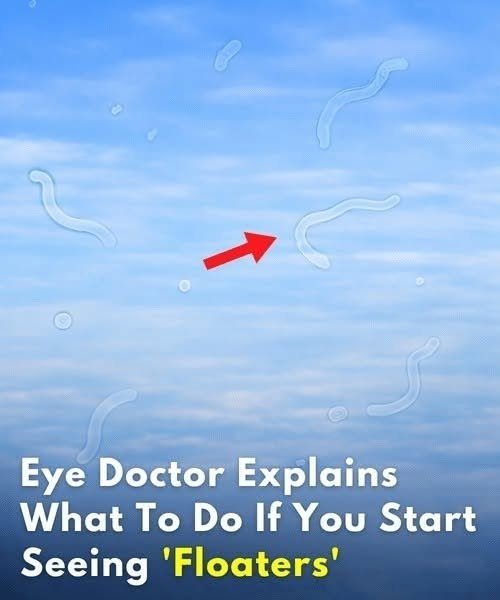
Floaters are tiny spots, threads, rings, or cobweb-like shapes that seem to drift across your vision. They’re often easiest to notice when looking at a bright, plain background such as a white wall or blue sky.
Most floaters result from changes in the vitreous, the gel that fills the inside of the eye. As we age, this gel can change and form clumps that cast shadows on the retina. National Eye Institute+1
If you suddenly start seeing floaters, here’s what to do
-
A few familiar floaters that have been stable for a long time: These are often harmless, although routine eye examinations are still important.
-
New floaters appearing suddenly: Arrange an urgent eye examination, preferably with an ophthalmologist. A dilated retinal examination is used to look for a retinal tear or other problem. National Eye Institute+1
-
Many new floaters, especially with flashes: Seek immediate medical attention. These symptoms can occur with a retinal tear or retinal detachment. AAO+1
🚨 Go urgently if you notice these warning signs
Seek emergency eye care if floaters are accompanied by:
-
Sudden flashes of light
-
A sudden shower or large increase in floaters
-
A dark curtain or shadow across part of your vision
-
New loss of peripheral (side) vision
-
Sudden blurred or reduced vision
-
Symptoms following an eye injury or eye surgery
A retinal detachment can permanently damage vision, but prompt treatment can help protect sight. nhs.uk+1
Don’t wait for the symptoms to disappear on their own if they’re new or suddenly worsening. Retinal problems can be painless, so the absence of eye pain doesn’t rule out an emergency. Mayo Clinic
What might the eye doctor do?
Your eye doctor will generally perform a dilated eye examination to inspect the retina and look for a retinal tear or detachment. The examination is usually painless, although some parts of the examination can be uncomfortable. National Eye Institute+1
If the retina is intact and the floaters are related to normal vitreous changes, treatment often isn’t necessary. Over time, many people find that the floaters become less noticeable. Deja Vu
If a retinal tear is discovered, treatments such as laser photocoagulation or cryotherapy may be used to reduce the risk of progression to retinal detachment. Deja Vu
Bottom line
New floaters deserve attention; new floaters plus flashes or a curtain/shadow over your vision deserve urgent attention. The only reliable way to distinguish harmless vitreous changes from a retinal tear is an eye examination. National Eye Institute+1
If you’re currently experiencing sudden new floaters, particularly with flashes or any vision loss, seek urgent eye care today rather than waiting for a routine appointment.