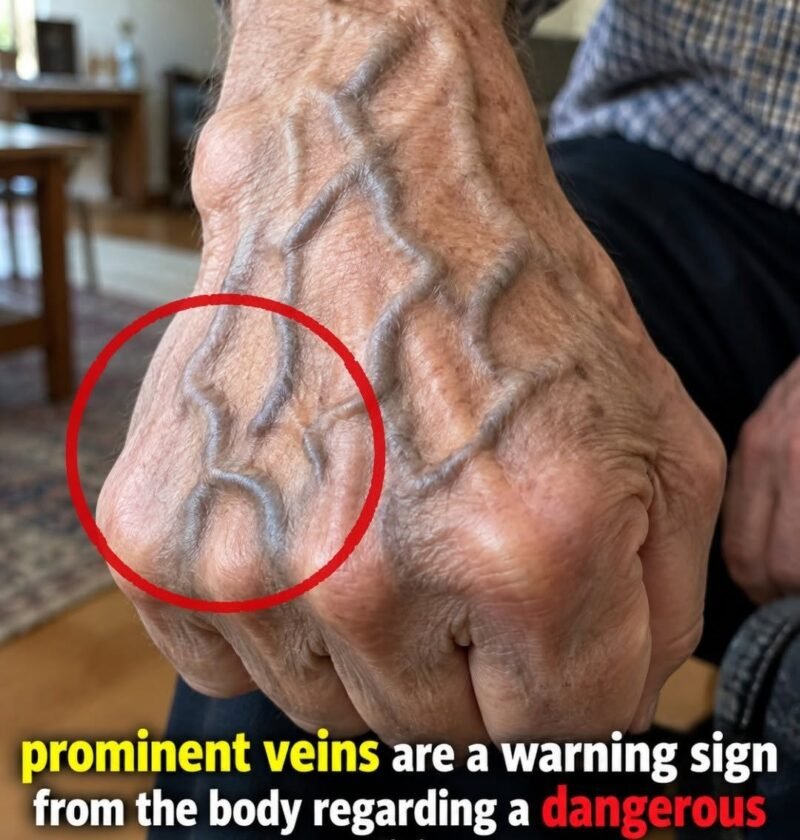
If you mean visible blue veins becoming more noticeable after age 60, they are often a normal age-related change—but sometimes they can signal an underlying circulation or vein problem.
Why veins become more visible after 60
As we age, several changes can make veins easier to see:
-
Thinner skin: Aging reduces collagen and subcutaneous fat, so veins closer to the skin surface become more apparent.
-
Loss of body fat: Less tissue covering the veins can make them look blue or prominent.
-
Weaker vein walls and valves: The valves that help return blood toward the heart can become less efficient over time.
-
Long periods of standing or sitting: Blood can pool in the legs, making superficial veins more prominent.
-
Varicose veins: Enlarged, twisted veins—particularly in the legs—can develop when valves don’t work properly.
-
Heat and exercise: Veins can temporarily become more prominent because blood vessels dilate.
Does a blue vein mean poor blood circulation?
Not necessarily. A visible blue vein by itself usually does not mean that your blood flow is “screaming” that something is wrong. Superficial veins naturally look blue or green through the skin because of how light interacts with skin and blood.
What matters more is whether the prominent veins occur along with other symptoms.
Signs that deserve medical attention
If prominent veins are accompanied by any of these, it’s worth discussing them with a healthcare professional:
-
Persistent swelling of the ankles or legs
-
Aching, heaviness, burning, or cramping in the legs
-
Skin discoloration around the ankles
-
Itching or dry, hardened skin over the lower legs
-
Slow-healing wounds or ulcers
-
A vein that becomes painful, hard, red, or unusually warm
-
Sudden swelling of one leg
Seek urgent care for sudden symptoms
Sudden swelling, pain, warmth, or redness in one leg, especially if accompanied by shortness of breath or chest pain, can indicate a blood clot and requires urgent medical evaluation.
What you can do
For ordinary age-related prominent veins:
-
Walk regularly and avoid sitting for very long periods.
-
Elevate your legs when resting if they tend to swell.
-
Maintain a healthy weight.
-
Stay adequately hydrated.
-
Avoid prolonged standing when possible.
-
If you have persistent leg symptoms, ask a clinician whether an examination or venous Doppler ultrasound is appropriate.
So, visible blue veins after 60 are often normal rather than a warning sign. The combination of visible veins plus swelling, pain, skin changes, or sudden one-sided symptoms is much more important than the color or visibility of the veins alone.