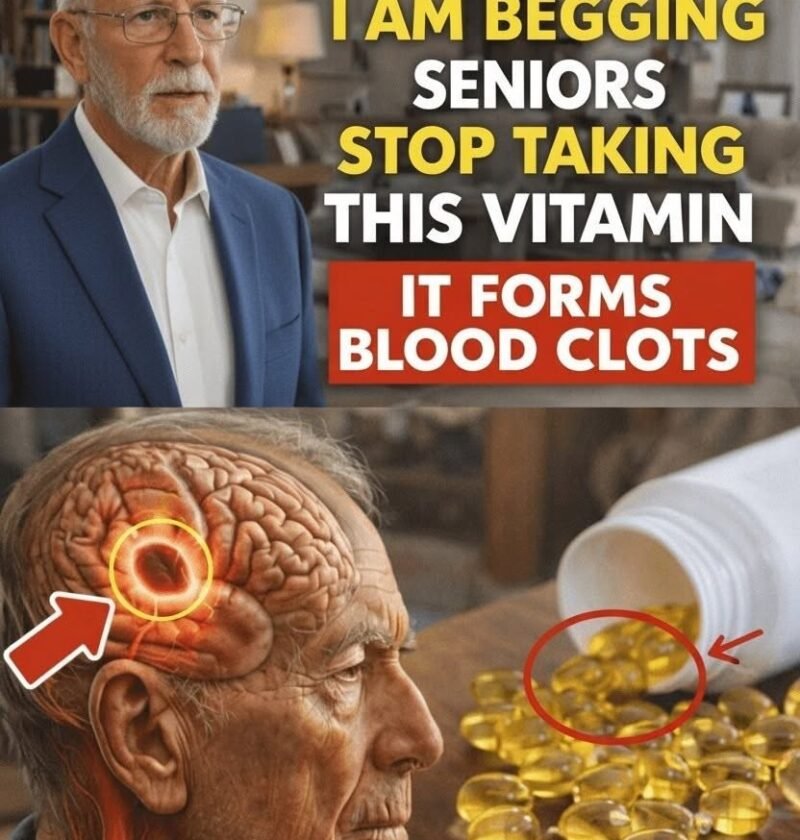
If you’re asking about vitamins and stroke prevention in older adults, the key point is that supplements are not a substitute for controlling established stroke risks.
Vitamins, stroke risk, and brain health
-
Vitamin B12 and folate: Deficiency can raise homocysteine and may contribute to neurological problems. Correcting a documented deficiency is important, but taking extra B vitamins has not been shown to universally prevent stroke.
-
Vitamin D: Important for bone and muscle health, but vitamin D supplements have not been established as a general stroke-prevention treatment.
-
Vitamin E and beta-carotene: High-dose supplementation has not been shown to prevent stroke and can have potential harms in some people.
-
Multivitamins: They can help fill nutritional gaps, but they shouldn’t be viewed as a treatment for stroke risk or as a way to “clean” the brain or blood vessels.
For older adults, the more established ways to reduce stroke risk include controlling blood pressure, managing diabetes and cholesterol, avoiding tobacco, staying physically active, maintaining a healthy diet, and taking prescribed medications appropriately.
If you’re referring to a specific vitamin, supplement, or plant that someone claims protects the brain or prevents stroke, tell me its name and I can explain the evidence and safety.