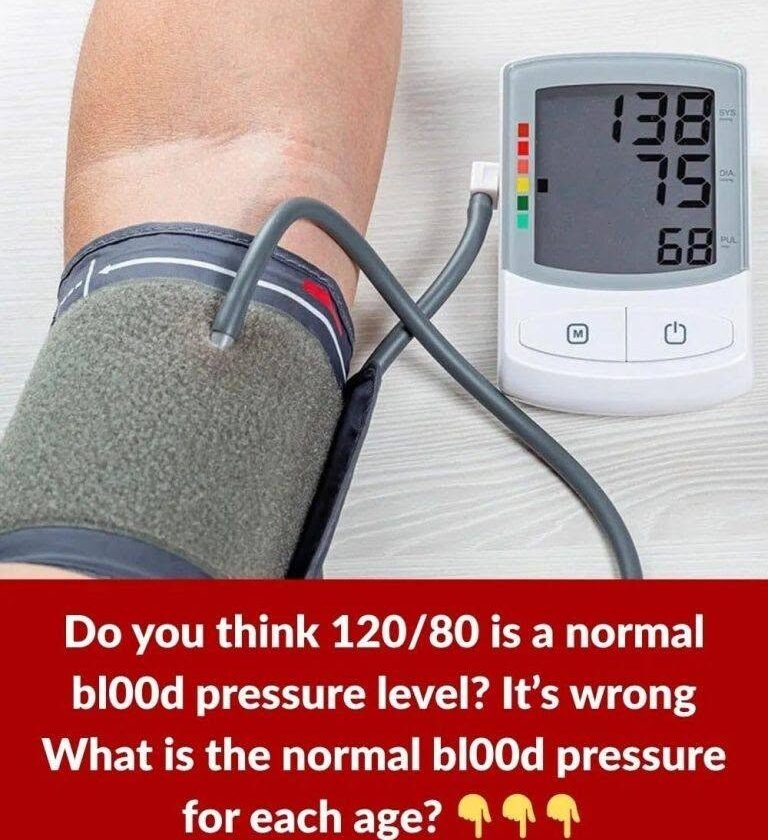
Blood pressure doesn’t have one exact “normal” number for each age. For adults, normal blood pressure is generally defined by the blood-pressure category rather than by age.
Adults
| Blood pressure | Systolic (top) | Diastolic (bottom) |
|---|---|---|
| Normal | <120 | and <80 |
| Elevated | 120–129 | and <80 |
| High — Stage 1 | 130–139 | or 80–89 |
| High — Stage 2 | ≥140 | or ≥90 |
| Severe hypertension | >180 | and/or >120 |
These categories are based on U.S. American Heart Association/American College of Cardiology definitions. Other medical guidelines use somewhat different thresholds, so the numbers you see may vary by country.
What about older adults?
It’s a common misconception that blood pressure such as 150/90 is automatically normal because someone is older. Blood pressure tends to rise with age, but persistent high readings still deserve medical assessment.
For children and teenagers, blood pressure is interpreted differently and depends on age, sex, and height, rather than using the adult table.
One reading isn’t enough
Blood pressure naturally changes throughout the day. If you get a high reading, sit quietly for about 5 minutes, use the correct cuff size, keep your arm supported, and take another measurement.
If your blood pressure is over 180/120, repeat it after a minute or two. If it remains that high and you have chest pain, shortness of breath, weakness/numbness, vision changes, severe headache, or difficulty speaking, seek emergency medical care immediately.