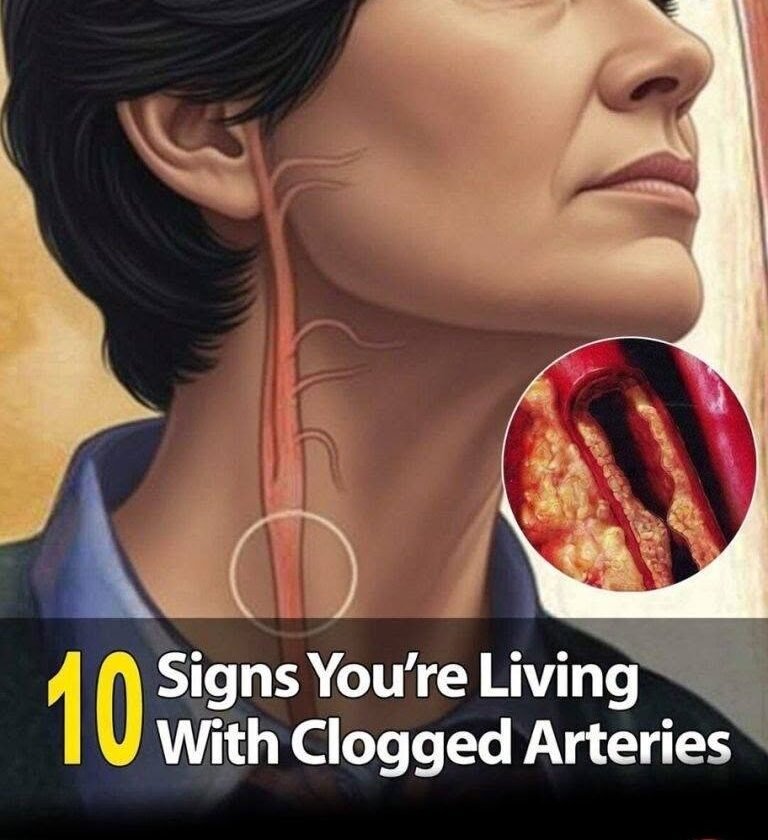
10 Possible Warning Signs of Blocked or Narrowed Arteries
Atherosclerosis can develop silently for years. There is no single symptom that proves an artery is blocked, and symptoms depend on which arteries are affected.
-
Chest pressure or tightness — Especially during physical activity, it can indicate reduced blood flow to the heart.
-
Shortness of breath — Particularly with exertion or alongside chest discomfort.
-
Pain or cramping in the legs when walking — Often improves after resting and can occur with peripheral artery disease.
-
Leg or foot weakness/heaviness — Reduced circulation can cause fatigue or discomfort during activity.
-
Numbness or tingling in a foot or leg — May occur with circulation problems, although nerve disorders are another common cause.
-
One foot being noticeably colder — A difference in temperature between limbs can indicate reduced arterial blood flow.
-
Slow-healing sores on the feet or legs — Poor circulation can impair wound healing.
-
Changes in skin color — A foot may appear unusually pale, bluish, or darker when circulation is significantly impaired.
-
Reduced hair growth or slow-growing toenails — Can occur with chronic poor circulation in the legs.
-
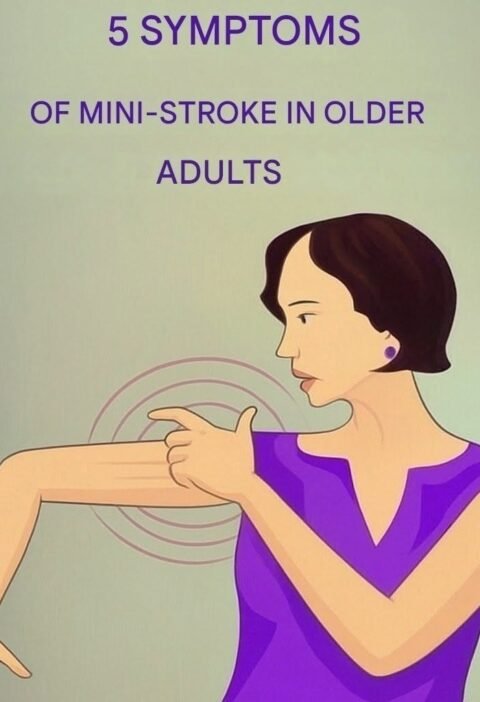
Sudden neurological symptoms — Facial drooping, weakness or numbness on one side, difficulty speaking, or sudden vision problems can indicate a stroke or TIA.
🚨 Know the emergency signs
Chest pressure/pain, severe breathing difficulty, or sudden stroke symptoms require emergency medical attention. Don’t wait for them to resolve.
Also, several symptoms above can have causes unrelated to blocked arteries. Doctors may use blood-pressure measurements, an ankle-brachial index (ABI), blood tests, or imaging to evaluate cardiovascular and peripheral artery disease risk.
A more accurate headline is:
“10 Warning Signs of Poor Arterial Circulation You Shouldn’t Ignore”