What Is Normal Blood Pressure at Each Age?
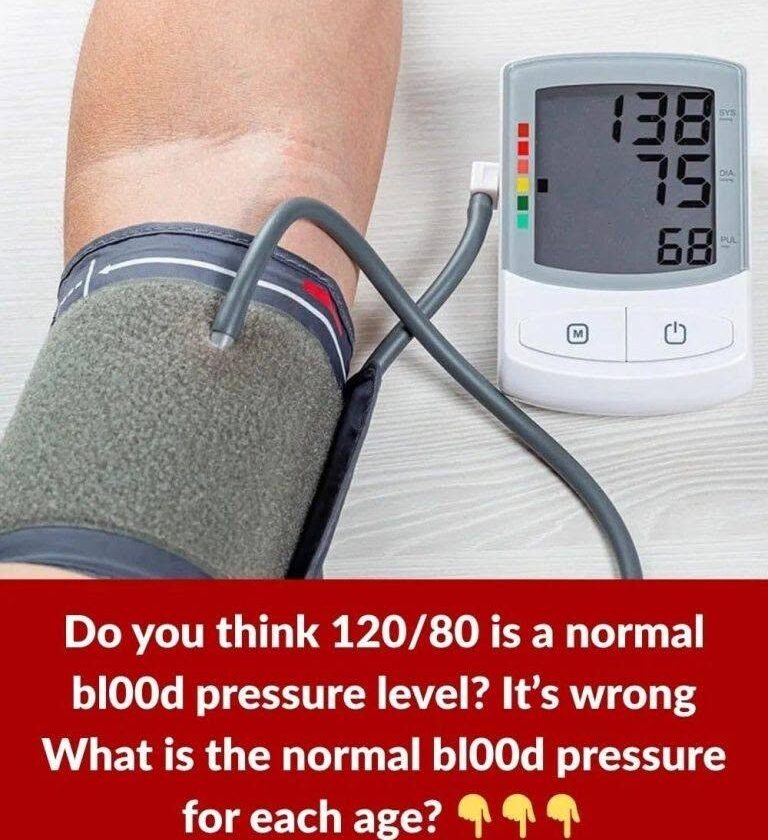
Many people believe blood pressure should naturally be higher as we get older. While blood pressure often rises with age, that doesn’t mean higher readings are automatically healthy.
For adults, current guidelines classify blood pressure as follows:
| Blood Pressure | Reading |
|---|---|
| 🟢 Normal | Less than 120/80 mm Hg |
| 🟡 Elevated | 120–129 and less than 80 |
| 🟠 Stage 1 High BP | 130–139 or 80–89 |
| 🔴 Stage 2 High BP | 140 or higher or 90 or higher |
| 🚨 Severe | Above 180 and/or 120 |
These categories apply to adults rather than changing into a separate “normal” range for people in their 50s, 60s, 70s, or 80s.
What About Older Adults?
A reading such as 150/90 should not automatically be considered normal simply because someone is older. Blood-pressure goals can be individualized based on overall health, other medical conditions, medications, and the risk of side effects.
Measure It Correctly
Sit quietly for about 5 minutes, keep your back supported and feet on the floor, avoid talking during the measurement, and take more than one reading when monitoring at home.
🚨 If your blood pressure is above 180/120 and you have chest pain, shortness of breath, weakness, numbness, vision changes, or difficulty speaking, seek emergency medical care immediately.
Bottom line: There is no special “normal” blood pressure that automatically becomes higher with age. For most adults, below 120/80 mm Hg i