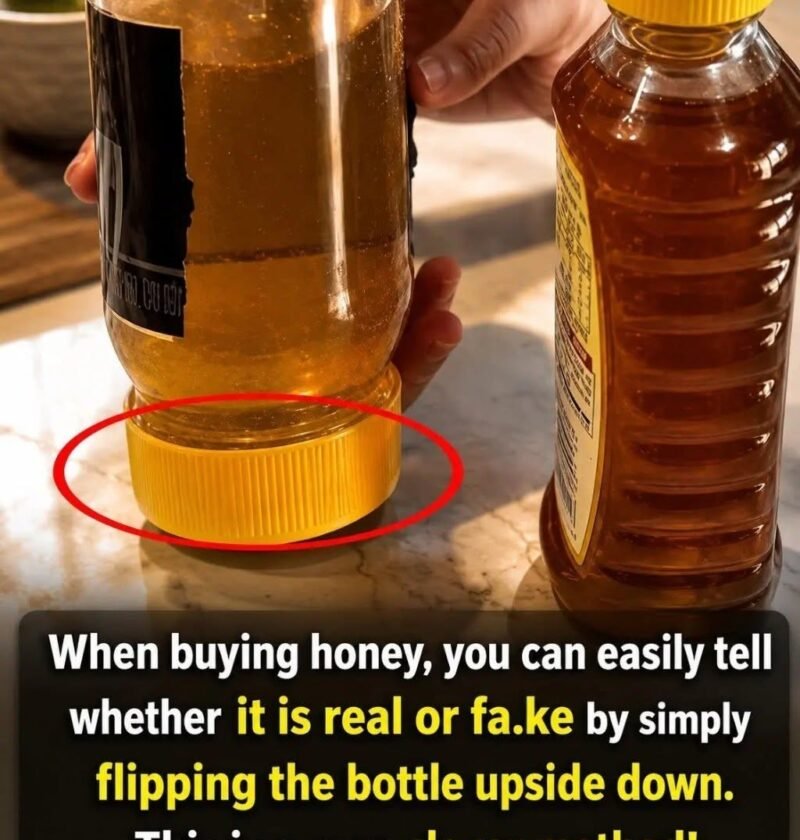
If you mean the headline “Think You’re Buying Real Honey?”, it’s usually referring to the problem of adulterated or mislabeled honey.
How to choose genuine honey
- Check the label: Look for honey as the only ingredient. Avoid products containing added glucose syrup, corn syrup, sugar syrup, or other sweeteners.
- Be skeptical of dramatic “purity tests”: Viral tests involving water, a match, a thumb, or a piece of bread cannot reliably prove that honey is genuine. Laboratory analysis is much more reliable.
- Crystallization doesn’t mean it’s fake: Real honey can naturally crystallize, and different types crystallize at different rates. Heating it gently can return it to a liquid state.
- Very cheap honey deserves scrutiny: Price alone doesn’t prove adulteration, but unusually low prices can be a reason to check the producer and labeling carefully.
- Buy from a reputable source: Look for a traceable producer, proper labeling, and appropriate food-safety certification where applicable.
One important misconception
There is no simple home test that can definitively distinguish pure honey from adulterated honey. The popular “water test,” “flame test,” and similar methods can give misleading results because honey’s water content, viscosity, temperature, and composition vary naturally.
So if you’re wondering whether a particular jar is genuine, send me a photo of the front and back labels (especially the ingredients and manufacturer information), and I can help you assess it.