8 warning signs of a stroke — and 9 ways to lower your risk
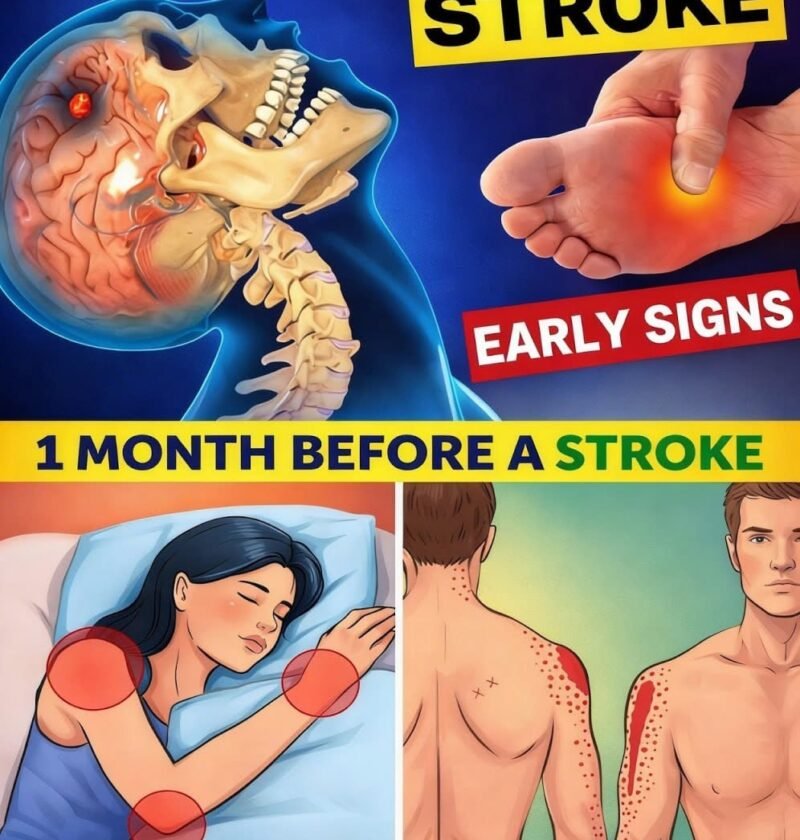
One important correction to the headline: most strokes don’t reliably give days or weeks of warning symptoms. Sudden neurological symptoms can represent a stroke or a transient ischemic attack (TIA), which is a medical emergency and a warning sign of possible future stroke. CDC+1
8 symptoms to recognize
Watch for sudden:
-
Numbness or weakness of the face, arm, or leg, especially on one side.
-
Facial drooping.
-
Slurred speech or difficulty speaking.
-
Difficulty understanding speech.
-
Sudden vision loss or blurred/double vision.
-
Sudden dizziness or loss of balance.
-
Sudden difficulty walking or coordinating movements.
-
A sudden, severe headache with no known cause. CDC+1
Think B.E. F.A.S.T.
B — Balance loss
E — Eye/vision changes
F — Face drooping
A — Arm weakness
S — Speech difficulty
T — Time to get emergency help
Do not wait for symptoms to disappear. Even if they resolve within minutes, a TIA requires urgent assessment. www.stroke.org+1
9 ways to reduce stroke risk
-
Control high blood pressure — one of the most important modifiable risk factors.
-
Manage diabetes and blood glucose with your healthcare team.
-
Check and manage cholesterol.
-
Don’t smoke or use tobacco.
-
Exercise regularly. The CDC recommends adults generally get at least 150 minutes of moderate-intensity aerobic activity each week.
-
Maintain a healthy weight.
-
Eat a heart-healthy diet, emphasizing vegetables, fruits, whole grains and fiber while limiting excess salt and saturated/trans fats.
-
Limit alcohol.
-
Take prescribed medications as directed, particularly medications used to control blood pressure, cholesterol, diabetes, or certain heart conditions. CDC+1
If someone is currently experiencing sudden facial drooping, one-sided weakness, speech difficulty, vision changes, severe dizziness, or another possible stroke symptom, seek emergency medical care immediately. Note the time the symptoms began because it can affect treatment decisions. CDC