8 Habits You Should Stop If You Take Amlodipine — And Why
Amlodipine is commonly prescribed for high blood pressure and angina. It works by relaxing and widening blood vessels. Most people can take it safely for long periods, but certain habits can make side effects more likely or interfere with treatment.
1. Don’t stop taking it suddenly
Even if your blood pressure readings improve, don’t stop amlodipine without your doctor’s advice. Your blood pressure may rise again, increasing your risk of complications.
2. Don’t regularly drink large amounts of alcohol
Alcohol can increase the blood-pressure-lowering effect of amlodipine and make dizziness or low blood pressure more likely. Limiting alcohol is a safer approach.
3. Don’t ignore persistent ankle or leg swelling
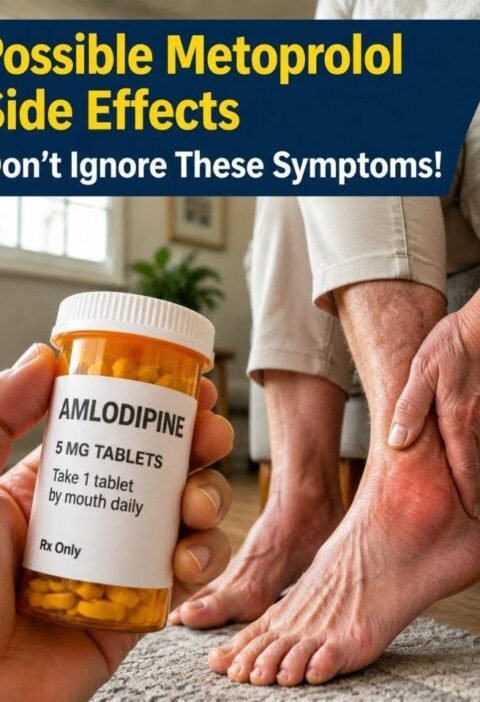
Swollen ankles, feet, or legs are a common side effect of amlodipine. If swelling is persistent, uncomfortable, or worsening, tell your doctor rather than simply accepting it as normal.
4. Don’t keep getting up quickly when you’re dizzy
Amlodipine can cause dizziness, particularly when your body is adjusting to treatment. If you feel lightheaded, sit or lie down until it passes and avoid driving or operating machinery while dizzy.
5. Don’t take extra tablets to make up for a missed dose
If you forget a dose, don’t double the next dose. Follow the instructions on your medication leaflet or ask your pharmacist what to do. Taking too much amlodipine can be dangerous.
6. Don’t start supplements or herbal remedies without checking
Some medicines, supplements, and herbal products can interact with amlodipine. Tell your doctor or pharmacist about everything you take, including products such as St John’s wort.
7. Don’t ignore your diet and activity
Amlodipine controls blood pressure, but it doesn’t replace healthy habits. Regular physical activity, a balanced diet, reducing excessive salt, maintaining a healthy weight, and not smoking can all support blood-pressure control.
8. Don’t assume every new symptom is harmless
Headache, dizziness, flushing, nausea, fatigue, palpitations, and swelling can occur with amlodipine. If a symptom is severe, persistent, or worrying, speak with a healthcare professional rather than stopping the medicine yourself.
What about grapefruit?
This point needs some nuance. NHS guidance currently advises avoiding grapefruit and grapefruit juice while taking amlodipine, because it may increase the chance of side effects. However, older FDA prescribing information reports that grapefruit juice did not significantly affect amlodipine exposure in a small study. If you regularly consume grapefruit, the safest approach is to check the instructions for your specific product and ask your pharmacist.
The most important rule
Don’t change your amlodipine dose or stop it on your own. If you’re experiencing troublesome swelling, dizziness, very low blood pressure, or other side effects, your doctor may be able to adjust your treatment safely.