The
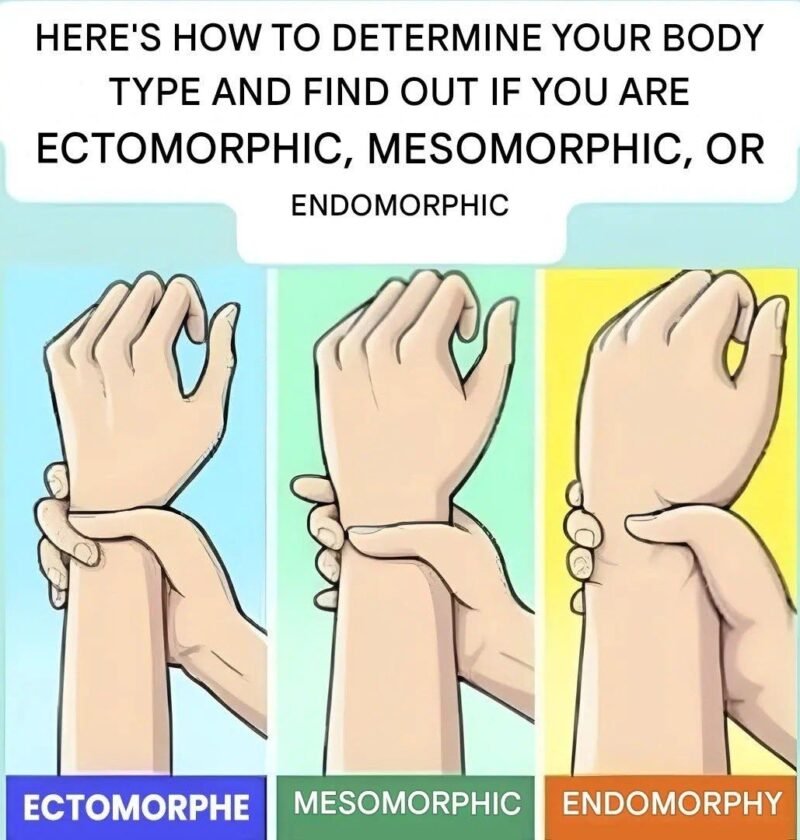
ectomorph, mesomorph, and endomorph system is a popular
way of describing body shapes, but it’s important to know that these categories are not scientifically validated ways of classifying metabolism or predicting how your body responds to exercise. Most people fall somewhere between the traditional descriptions.
The 3 classic body types
🏃 Ectomorph
Traditionally described as:
-
Naturally slim or narrow-framed
-
Longer limbs
-
Relatively little body fat and muscle
-
May find it harder to gain weight or muscle
Making the most of it: Focus on progressive resistance training, adequate calories, and sufficient protein if your goal is to build muscle.
💪 Mesomorph
Traditionally described as:
-
Naturally muscular or athletic-looking
-
Broader shoulders
-
Easier muscle development
-
Moderate body-fat levels
Making the most of it: A combination of resistance training and cardiovascular exercise can support strength, fitness, and body-composition goals.
🥑 Endomorph
Traditionally described as:
-
A rounder or softer build
-
Greater tendency to store body fat
-
Often a wider waist or hips
-
May find weight loss more challenging
Making the most of it: Regular resistance training, aerobic activity, and an eating pattern that supports an appropriate calorie intake can help with body-composition goals.
But here’s the important part
You don’t have to fit neatly into one category. Genetics, age, hormones, activity level, diet, sleep, muscle mass, and overall energy intake all influence your body composition.
For example, being naturally slim doesn’t mean you’re destined to have a “fast metabolism,” and having a larger body doesn’t mean you have a “slow metabolism.” Your body type also doesn’t determine the kind of physique you can develop.
A better approach
Instead of asking “Which body type am I?”, consider:
-
What is my current body composition?
-
What are my goals—muscle gain, fat loss, strength, or general fitness?
-
How active am I?
-
What training and eating habits can I consistently maintain?
Those factors are much more useful for creating a fitness plan than assigning yourself an ectomorph, mesomorph, or endomorph label.