What Is Normal Blood Pressure for Your Age? A Clear, Updated Guide
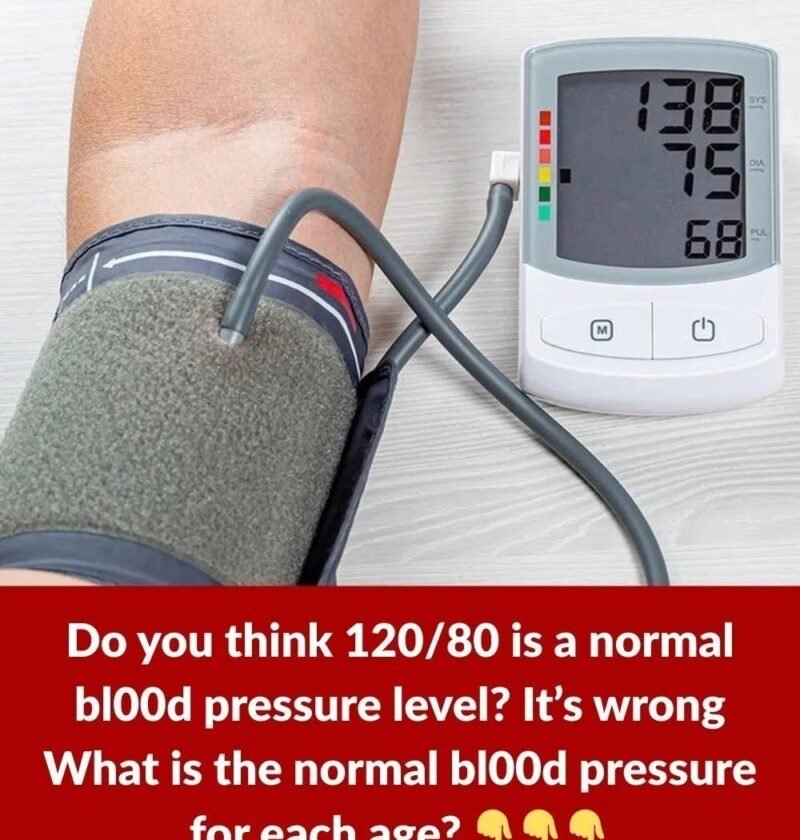
A common misconception is that “normal” blood pressure automatically gets much higher as you get older. Age can affect blood pressure, but there isn’t a separate normal range that simply increases with each decade. Current guidelines generally emphasize the actual blood-pressure reading, overall cardiovascular risk, health conditions, and whether treatment is tolerated. www.heart.org+1
Adult blood-pressure categories
Using the current American Heart Association classification:
| Reading | Category |
|---|---|
| Below 120/80 mmHg | Normal |
| 120–129 and below 80 | Elevated |
| 130–139 or 80–89 | Stage 1 hypertension |
| 140 or higher or 90 or higher | Stage 2 hypertension |
| Above 180 and/or above 120 | Severe hypertension |
www.heart.org+1
What about older adults?
There is no rule saying that 140/90 is “normal because you’re over 60” or that 150/90 is automatically acceptable after age 70. Treatment targets can be individualized for older people, particularly when there are other medical conditions, frailty, or concerns about dizziness and falls.
The 2024 European guidelines generally target 120–129/70–79 mmHg in adults receiving blood-pressure-lowering treatment when that range is well tolerated, while emphasizing individualized decisions and exceptions. Escardio
One reading isn’t enough
Blood pressure naturally varies with activity, stress, caffeine, illness, and time of day. A diagnosis of hypertension generally shouldn’t be based on a single isolated measurement. Home monitoring can provide a better picture of your usual blood pressure. www.heart.org
For a more reliable home reading, sit quietly with your back supported and feet flat on the floor, keep your arm supported at heart level, and avoid talking during the measurement. www.heart.org
When is it an emergency?
If your blood pressure is over 180/120 mmHg, repeat the measurement after at least a minute. If it remains that high, contact a healthcare professional promptly. If it is accompanied by chest pain, shortness of breath, weakness/numbness, vision changes, difficulty speaking, or other concerning symptoms, seek emergency medical care immediately. www.heart.org
Bottom line: For most adults, under 120/80 mmHg is considered normal, but the appropriate target for an individual—especially an older adult taking medication—may be different. Don’t change blood-pressure medication based on a single reading or an age-based chart.