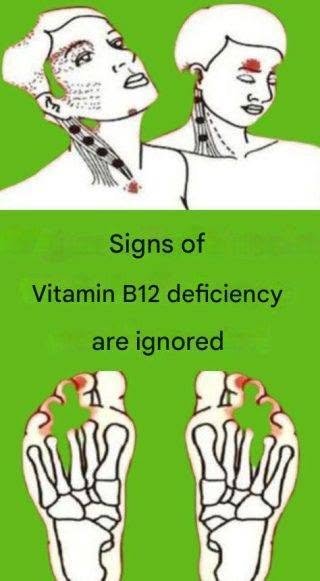
Yes—vitamin B12 deficiency can be easy to overlook, because symptoms may develop gradually and can resemble normal aging, stress, or other conditions.
Signs that shouldn’t be ignored
- Persistent tiredness or weakness
- Pale skin
- Shortness of breath or a racing heartbeat, particularly with exertion
- Numbness or tingling in the hands or feet
- Burning or unusual sensations in the feet
- Balance or walking problems
- Muscle weakness
- Memory or concentration difficulties
- Confusion or changes in mood
- A sore, swollen, or unusually smooth tongue
- Mouth ulcers
- Reduced appetite or unexplained weight loss
- Vision problems in more advanced cases
One important point is that neurological symptoms can occur even without obvious anemia. Prolonged untreated B12 deficiency can sometimes cause nerve damage that may not completely reverse.
Who is more likely to develop B12 deficiency?
Risk is higher in people with conditions affecting absorption, people who have had certain stomach or intestinal surgeries, those taking metformin or acid-suppressing medicines for prolonged periods, and people consuming little or no animal-derived food.
If you have several of these symptoms, a clinician can check vitamin B12 and a complete blood count and, when appropriate, additional tests such as methylmalonic acid to clarify the diagnosis.
Don’t start high-dose B12 just because you have these symptoms—the symptoms have many possible causes, and testing can help identify the real problem.