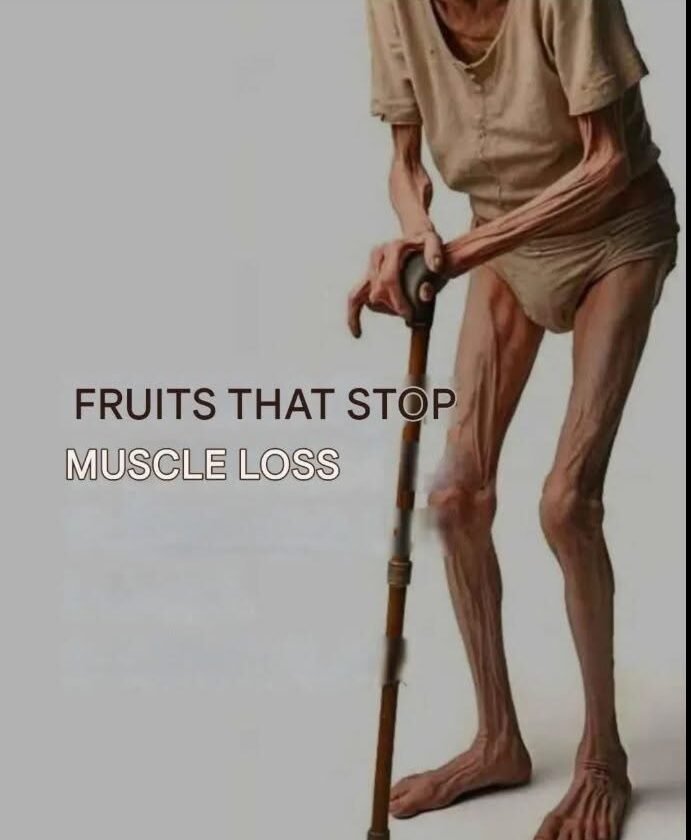
If your goal is to and exercise goals with your doctor or a dietitian if you have kidney disease or other medical conditions. Your ideal intake may be different from maintain or build muscle and support strength, especially as you get older, food works best together with regular resistance exercise and adequate overall calories.
💪 6 foods that support muscle growth
- Eggs 🥚
Eggs provide high-quality protein containing all the essential amino acids needed for muscle repair and maintenance. They’re also a convenient source of vitamin B12 and other nutrients. - Greek yogurt or plain yogurt 🥛
Yogurt provides protein, calcium and other nutrients. Greek yogurt is particularly useful because it generally contains more protein per serving than regular yogurt. - Chicken and other lean meats 🍗
Chicken, turkey and lean beef provide substantial amounts of complete protein. A serving alongside vegetables and a whole-grain or other carbohydrate source makes a balanced meal. - Fish 🐟
Fish such as salmon, sardines and tuna provides protein; oily fish also provides omega-3 fats. Salmon and sardines are particularly nutrient-dense. - Beans and lentils 🫘
Lentils, chickpeas, kidney beans and other legumes provide protein, carbohydrates and fiber. Combining different plant protein sources across the day can help you get a broad range of amino acids. - Milk and cottage cheese 🥛
Dairy foods provide high-quality protein and calcium. Cottage cheese is particularly convenient as a protein-rich snack.
How to make these foods work for muscle
The total amount of protein you consume throughout the day matters more than one particular “muscle-building” food. Spread protein-containing foods across your meals rather than eating nearly all of it at dinner.
And don’t forget resistance exercise—muscles need a reason to adapt. For older adults, appropriately prescribed strength training can help preserve muscle, strength and physical function.
If you are 83, it’s especially worthwhile to discuss your protein and exercise goals with your doctor or a dietitian if you have kidney disease or other medical conditions. Your ideal intake may be different from that of a younger person.