“New method: colonoscopy will no longer be invasive” — Is this true?
Not quite. There are newer ways to screen for colorectal cancer that can avoid a conventional colonoscopy, but colonoscopy itself remains an invasive procedure. Current evidence does not show that it has been replaced by a single new non-invasive method. Cancer.gov+1
What are the alternatives?
- Stool tests (FIT): You collect a small stool sample at home to look for hidden blood. They’re non-invasive and don’t require bowel preparation. If the result is positive, a colonoscopy is generally needed. Cancer.gov
- Stool DNA tests: These look for blood and certain DNA changes associated with colorectal cancer. They’re also non-invasive, but a positive result requires follow-up colonoscopy. Cancer.gov
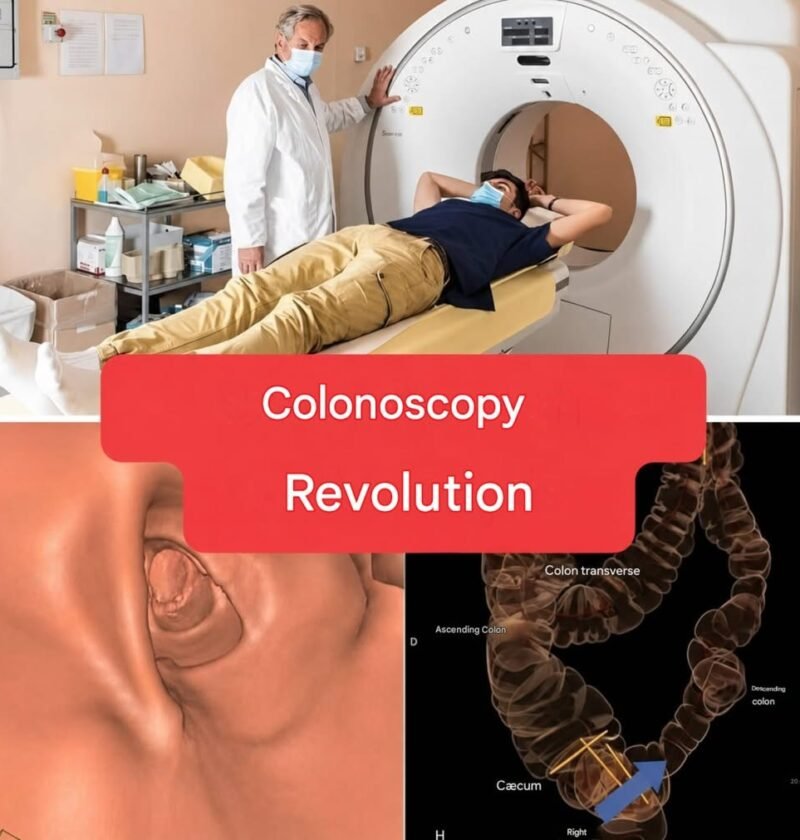
- CT colonography (“virtual colonoscopy”): A CT scan creates images of the colon without inserting a camera through the entire colon. However, you still generally need bowel cleansing, and a small tube is used to introduce air or gas. If a suspicious polyp is found, conventional colonoscopy is usually required for removal. Cancer.gov+1
- Capsule colonoscopy: A person swallows a small camera capsule. This technology is still being developed and is not currently a general replacement for screening colonoscopy for average-risk people. Bowel cleansing is still necessary. Cancer.gov
Why colonoscopy is still important
A major advantage of conventional colonoscopy is that the doctor can see the entire colon and remove suspicious polyps during the same procedure. Non-invasive screening tests can identify people who may need further investigation, but they generally can’t remove a polyp themselves. Cancer.gov
Bottom line: The more accurate headline would be: “Newer non-invasive tests may reduce the need for some colonoscopies, but colonoscopy remains an important diagnostic and treatment procedure.”
If this headline is referring to a specific new technology or recent study, send me the rest of the post (“2/2”) and I can explain exactly what the claimed new method is.
Sources