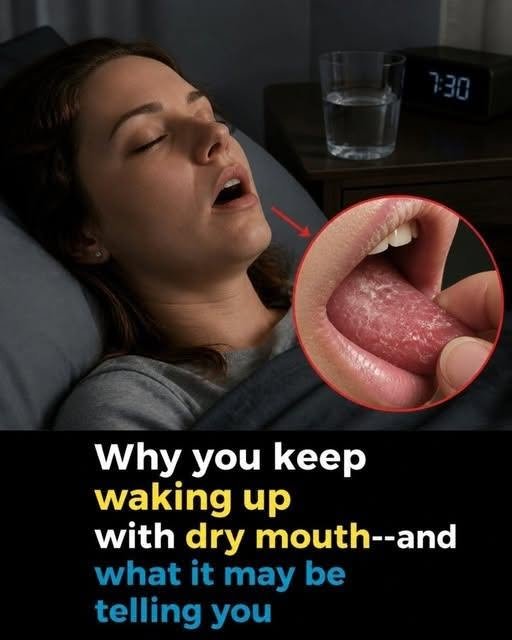
😴 Waking Up With a Dry Mouth? Here’s What It Can Mean
Occasionally waking with a dry mouth is common and usually isn’t serious. But persistent morning dry mouth (xerostomia) can have several causes, and it’s worth investigating if it happens regularly.
Common reasons
- Mouth breathing: A blocked nose, allergies, or sleeping with your mouth open can dry the mouth overnight.
- Dehydration: Not drinking enough fluids during the day—or losing fluid through sweating, vomiting, or diarrhea—can contribute.
- Snoring or sleep apnea: People with obstructive sleep apnea often breathe through their mouths during sleep. Loud snoring, gasping, morning headaches, or significant daytime sleepiness are clues that warrant evaluation.
- Medications: Dry mouth is a side effect of many medications, including some antihistamines, antidepressants, blood-pressure medicines, and medications used for urinary problems. Don’t stop a prescribed medicine without talking to your clinician.
- Alcohol and tobacco: Both can contribute to dry mouth.
- High blood sugar: Persistent thirst and frequent urination alongside dry mouth can occur with diabetes.
- Salivary-gland problems: Less commonly, conditions affecting the salivary glands or autoimmune disorders can reduce saliva production.
🦷 Why you shouldn’t ignore persistent dry mouth
Saliva protects your teeth and mouth. Long-term dry mouth increases the risk of tooth decay, gum disease, mouth infections, difficulty swallowing, and mouth soreness.
You can try drinking water regularly, avoiding tobacco and excessive alcohol, using sugar-free gum or lozenges to stimulate saliva, and addressing nasal congestion. Good dental hygiene is particularly important.
🚩 When to talk to a doctor or dentist
Get checked if dry mouth persists for several weeks, is severe, causes difficulty swallowing or speaking, or occurs with excessive thirst, frequent urination, unexplained weight loss, or other new symptoms.
If you also snore loudly, stop breathing or gasp during sleep, or are extremely sleepy during the day, ask about evaluation for sleep apnea.
Bottom line: Morning dry mouth most often comes from mouth breathing, dehydration, medications, or snoring, rather than a serious disease. But persistent symptoms can affect oral health and sometimes point to an underlying problem worth treating.