Fall Awakening: The “Little Secret” to Keeping Houseplants Healthy
The idea that one secret ingredient will magically revive houseplants in fall is mostly clickbait. As daylight decreases, many houseplants naturally slow their growth, so the best “secret” is adjusting their care to the season.
🍂 5 things to do in fall
1. Give them more light ☀️
Move plants closer to a bright window, but avoid suddenly exposing shade-loving plants to intense direct sunlight. Supplemental full-spectrum LED lighting can help when natural light is insufficient.
2. Water less often 💧
Lower light and slower growth mean many plants use less water. Don’t water according to a fixed schedule—check the soil first. Overwatering is a common cause of root problems.
3. Don’t over-fertilize 🌱
For many houseplants, fertilizing should be reduced or stopped as growth slows in fall. University of Minnesota Extension specifically recommends stopping fertilizer in fall and resuming in late winter/early spring for plants being brought indoors.
4. Check for pests 🔍
Before plants spend the winter indoors, inspect leaves, stems and the soil for spider mites, mealybugs, scale, fungus gnats and whiteflies.
5. Keep plants away from cold drafts 🪟
Don’t place tropical plants directly against cold windows, exterior doors or heating vents. Sudden temperature changes can stress plants.
🪴 What about a homemade “fertilizer”?
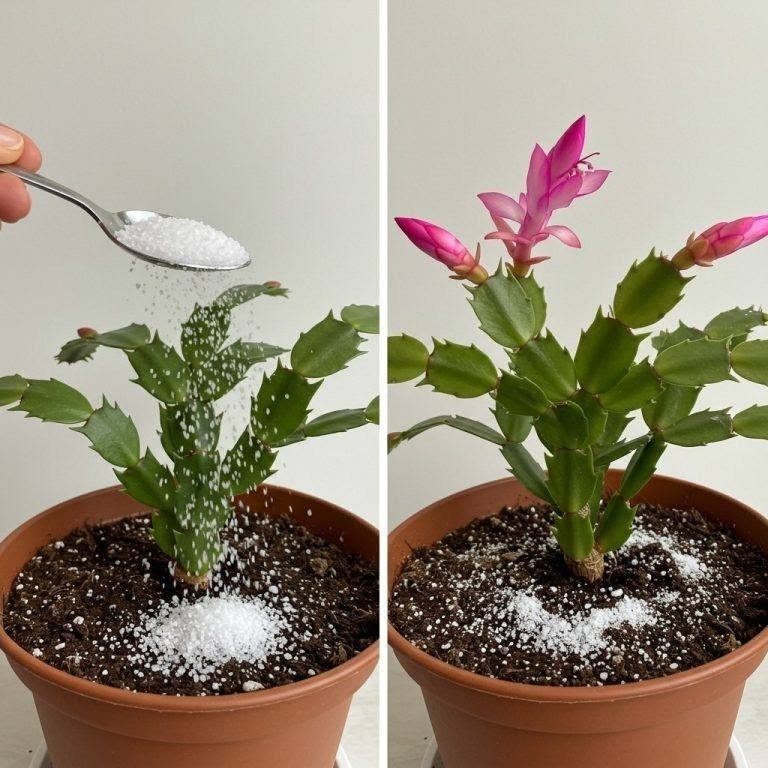
You may see recommendations for baking soda, sugar, coffee grounds, rice water, eggshells or other kitchen ingredients. These aren’t magic plant boosters, and indiscriminate use can create problems with soil nutrients or salts.
If your plant actually needs nutrients, use a proper houseplant fertilizer according to its label rather than guessing with pantry ingredients. Over-fertilizing can damage plants.
🌸 One exception: flowering plants
Some plants have special fall requirements. For example, poinsettias need long, uninterrupted nights to develop their characteristic color, while holiday cacti respond to particular light and temperature conditions when forming flower buds.