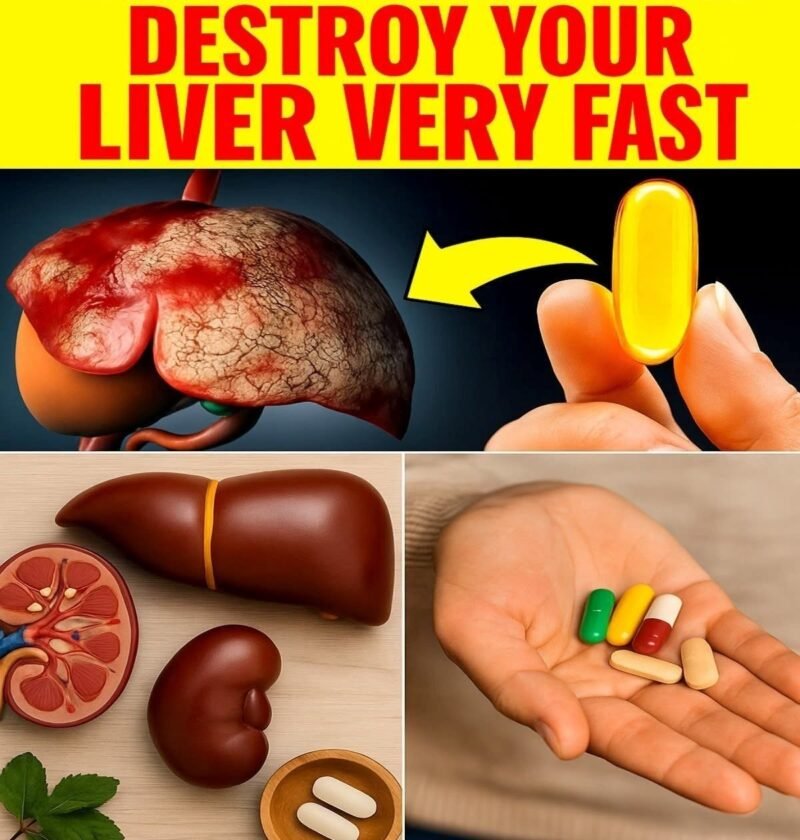
⚠️ 9 Vitamins & Supplements That Can Harm the Liver or Kidneys When Misused
The headline is reasonable if “misused” is emphasized. Supplements aren’t automatically harmless, and concentrated herbal products or excessive doses can sometimes cause serious organ injury. NIH’s LiverTox database documents numerous cases of liver injury associated with herbal and dietary supplements, sometimes involving contaminated or mislabeled products. NCBI+1
Nine categories worth knowing about are:
- High-dose vitamin A — Excessive preformed vitamin A can cause liver toxicity; chronic high doses are particularly concerning.
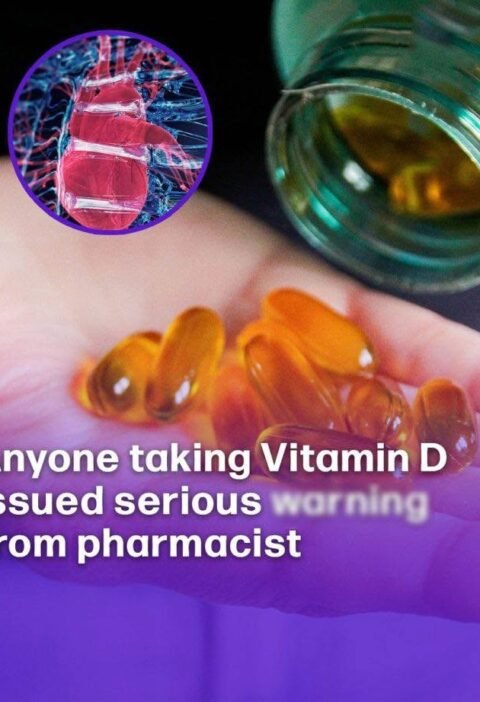
- High-dose vitamin D — Excessive supplementation can cause dangerously high calcium levels, potentially damaging the kidneys.
- Vitamin B6 in excessive doses — Large amounts can cause serious nerve damage; more isn’t better.
- Iron supplements — Excess iron can be toxic and can cause severe organ damage. Iron should generally be supplemented when there is a demonstrated need.
- Niacin (vitamin B3) at high doses — Pharmacological doses used for specific medical purposes can cause liver injury.
- Turmeric/curcumin supplements — Concentrated, highly bioavailable preparations have been linked to rare but sometimes serious liver injury. NCBI
- Green tea extract — Concentrated extracts, particularly those marketed for weight loss, have been associated with rare liver injury. NCBI+1
- Ashwagandha — Although generally tolerated, clinically apparent liver injury has been reported, including rare severe cases. NCBI
- Multi-ingredient “detox,” weight-loss, or bodybuilding supplements — These can be particularly difficult to assess because products may contain numerous ingredients, variable concentrations, or contaminants. NCBI
🩺 Who should be especially cautious?
People with existing kidney or liver disease, those taking multiple medications, and older adults should have supplements reviewed by a doctor or pharmacist before starting them.
Watch for symptoms such as yellow skin or eyes, dark urine, severe nausea, unusual itching, persistent abdominal pain, marked weakness, confusion, or significant changes in urination. These can have many causes, but unexplained symptoms while taking a supplement warrant medical attention.
Bottom line: The problem isn’t that vitamins and supplements are inherently dangerous. It’s that high doses, concentrated extracts, combinations, and poorly regulated products can cause harm. Food-based nutrients are generally much safer than taking large supplemental doses. NCBI
Sources